Get Full Government Meeting Transcripts, Videos, & Alerts Forever!
Get email alerts on the Land Use Subdivision topic
No spam. Unsubscribe anytime.
Kenai council approves certificate of acceptance for Keys Turn Subdivision after debate about liability and precedent
Summary
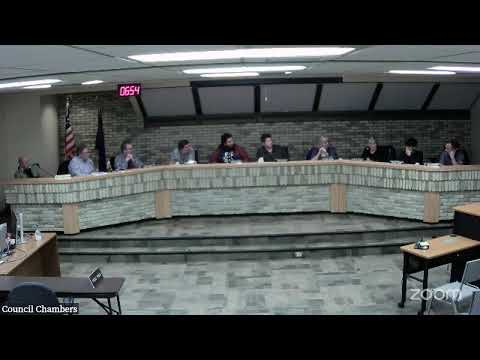
Kenai City Council approved a Certificate of Acceptance Notice for Keys Turn Subdivision on Dec. 18, 2024, after debate centered on whether the action would benefit the city or only ease a developer’s liability concerns.
The Kenai City Council on Dec. 18, 2024, approved a Certificate of Acceptance Notice for Keys Turn Subdivision after extended discussion about whether the action would materially benefit the city or primarily address a developer’s concern about retained liability.
Robert Grama, who identified himself as planning director for the Kenai Peninsula Borough, told council the plat in question was finalized in 2015 and processed under the code in effect at that time. He said the planning authority for subdivisions rests with the borough and that, in his view, there is no legal basis showing a developer retains liability once a dedication is approved under the code in force when the plat was processed. "We don't see that there is any retained liability to the developer once a plat is approved by the planning authority under the existing code," Grama said.
Council members pressed for details about the specific areas at issue. Grama and city staff explained that an underlying state section‑line easement remains and that vacating that easement would follow a separate process, which had not been pursued. Council members also discussed whether a tract within the subdivision had been intended as a gated community and whether Dogwood Street and other adjacent parcels presented similar concerns.
Mr. Blum, a staff member who attended to provide plats and context, told council, "There is no benefit to the city." Several council members said the action would mainly provide the property owner with peace of mind and could help local perception that the city is willing to work with developers. Others warned about precedent and the possibility of similar requests from owners of older plats.
Councillors debated whether denying the certificate would compel the developer to seek a plat amendment, and Grama said the borough would likely not pursue an amendment because the original processing complied with the code at the time. Multiple council members said the item was an appeasement to the developer and that staff had already spent substantial time on it.
The clerk called the roll and recorded the following ayes during the vote: Council member Douthat (yes); Council member Askren (yes); Council member Nackstedt (yes); Council member Daniel (yes); Council member Sona (yes); Mayor Gabriel (yes); Council member Casena (yes); Student representative Tanner (yes). The clerk reported, "You have 7 yes votes. Approval of the certificate of acceptance notice for Key Turn Subdivision is approved." (Transcript indicates the clerk announced seven yes votes; the roll call names above were recorded in the meeting record.)
Why it matters: the action touches legal questions about municipal acceptance of dedications and what, if any, liability persists for developers after a plat is approved. Staff and borough counsel told council they do not see retained liability for the developer; council members debated the public perception and precedent implications.
Implementation and next steps: the certificate of acceptance was approved; no further city stipulations were recorded in the meeting. Borough staff said a plat amendment was not the preferred route because the plat was approved under the code in force at the time of processing.