Get Full Government Meeting Transcripts, Videos, & Alerts Forever!
Get email alerts on the Signs topic
No spam. Unsubscribe anytime.
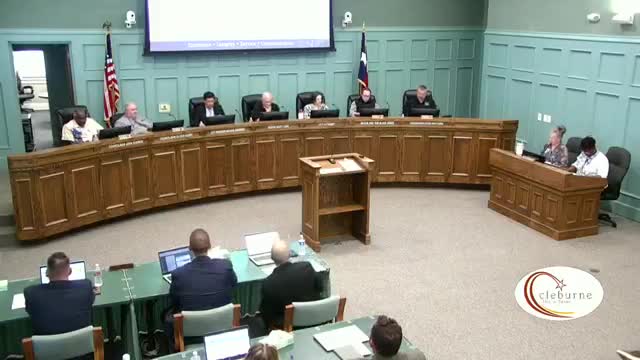
Cleburne council adopts rewritten sign code, shortens temporary-sign duration
Summary
The City of Cleburne repealed and replaced Chapter 156 of its sign regulations, adding a content-neutrality clause, increasing setbacks, shortening temporary-sign duration to 30 days, and leaving wayfinding rules for a later discussion.
The Cleburne City Council on a unanimous vote approved an ordinance repealing and replacing Chapter 156 (Sign Regulations) of Title 15 (Land Usage) of the City of Cleburne Code of Ordinances, adopting new rules intended to simplify enforcement and clarify protections for political speech.
City staff said the rewrite adds a content-neutrality requirement and clarifies definitions and processes for temporary signage. "We've included also a content neutrality clause, so no decision made under this code shall be based on content, messaging, viewpoint, purpose, or even identity of a person," James Navins, city staff, told the council during the presentation.
The ordinance increases minimum setbacks for some signs from 5 feet to 15 feet and reduces the allowed consecutive display time for many temporary signs from 90 days to 30 days. The draft also creates a residential buffer where only noncommercial personal-message signs are permitted and consolidates categories of temporary signage to make the code easier for residents and businesses to read and for staff to enforce.
Consultant Chance Sparks of Friese and Nichols summarized changes that affect amendment procedures and definitions. "Key thing has been the addition of a sign amendment process," Sparks said, describing a clarified pathway for future ordinance changes and who may initiate them.
The ordinance pulls political-sign language directly from state law, the presentation said, to reflect the higher constitutional protection afforded political speech.
Council members noted that the rewrite does not address downtown wayfinding signage and asked staff to bring a separate proposal for that subject. Council discussion emphasized the need for a targeted carve-out or separate provision so wayfinding signs (including those funded by hotel occupancy/hot-tax programs) can be handled without opening the door to citywide off-premise advertising.
John Warren moved to approve the ordinance as presented; Mr. Jones seconded. The motion carried unanimously.
The council indicated it will return to wayfinding and fee details at a future workshop or agenda item.