Spartanburg leaders unveil $40 million plan to address behavioral and mental health
Loading...
Summary
Spartanburg-area leaders presented a five-year, $40 million collective plan focused on prevention, services for serious mental illness and substance use disorder, and cross-sector data and governance to reduce avoidable emergency visits and overdoses.
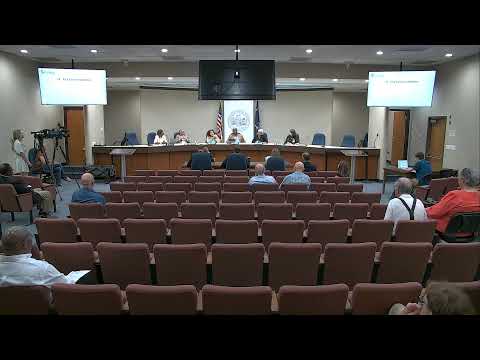
Lucy Willems, with the Spartanburg Regional Foundation, presented the Spartanburg Collective Plan for behavioral and mental health at the City of Spartanburg City Council meeting on June 9, 2025, outlining a five-year, $40,000,000 effort to expand prevention, treatment and crisis response across the county.
Willems said the plan reflects input from more than 75 community leaders and aims to “measurably change the mental behavior health outcomes of residents in Spartanburg.” She told council members the plan emphasizes prevention and upstream interventions, cross-sector coordination and data-driven population health strategies.
The plan highlights three priority areas: supporting thriving youth and families with stronger connections to supports; serving people with serious mental illness, especially vulnerable populations; and supporting individuals and families affected by substance use disorder. Willems identified local data she said motivated the effort, including “far too high rates of overdose incidents, overdose deaths, and approximately 5,000 mental and behavioral health–related visits to the emergency center every year.”
Willems described existing community assets that the plan will build on: a strong health system, more than 70 community-based providers, the Spartanburg Area Mental Health Center, the Forster Center and an established mental and behavioral health task force. She said funding streams available include the South Carolina Opioid Recovery Fund and alignment with the South Carolina Master Mental Behavioral Health Plan.
The presentation set out a financing target of $40 million over five years, with a catalytic ask of $25 million raised upfront and an additional $15 million for longer-term support. Willems said the plan is at the start of implementation: launching communications, securing catalytic funding, establishing a steering committee and creating three implementation groups that will manage pilots and evaluation. She listed planned projects including “a crisis stabilization study for serious mental illness” and efforts to secure commitments from school districts for a youth mental health survey and universal screeners.
Council members and presenters said they expect the plan to connect to law enforcement, emergency medical services and school systems. Councilwoman Smith, who said she was one of the community members involved in developing the plan, described local examples she said the plan could address, including an overdose in a retail dressing room and a missing mother who needed supportive services. “There are real people in our city that are hurting that need support,” Councilwoman Smith said.
When asked about the budget target and confidence in raising the money, Willems said the plan’s authors have advisers with experience securing catalytic funding and that “we do feel like it is an attainable number.”
The presentation included implementation milestones: pilots and governance set-up in year one, pilot evaluation in year three and assessment of long-term outcomes by year five. Willems said the initiative will “launch a community-facing plan” and is still selecting a public name for the effort.
Willems requested council support and invited further engagement from city staff and council members.
Ending: The plan will proceed to a formal implementation phase where organizers will seek funding commitments, set governance structures and roll out pilots; council members and staff said they expected further briefings as funding and pilot commitments develop.