Get Full Government Meeting Transcripts, Videos, & Alerts Forever!
Get email alerts on the Yemen Conflict topic
No spam. Unsubscribe anytime.
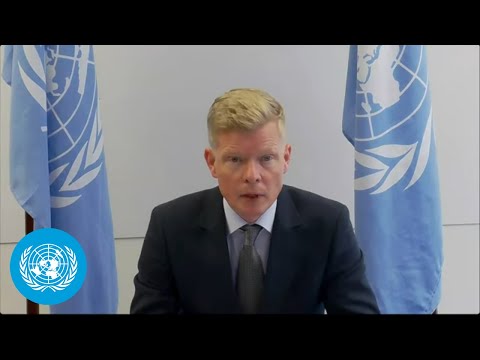
UN representative urges immediate release of detainees, warns Yemen fighting and economy risk worsening
Summary
A United Nations representative told the Security Council that dozens of United Nations, NGO and diplomatic personnel remain detained by Ansar Allah, called for their immediate release and warned that fragile front lines, recent strikes on ports and airports and a collapsing economy risk renewed large-scale fighting in Yemen.
A United Nations representative told the Security Council that dozens of United Nations, national and international NGO, civil society and diplomatic personnel remain arbitrarily detained by Ansar Allah and demanded their "immediate and unconditional release." "Their continued imprisonment is shameful," the representative said.
The representative said some colleagues have been detained since 2021, with additional detentions in 2025, and that thousands of detainees across Yemen include some who have been held for as long as 10 years. He called on council members to use diplomatic channels and influence to press for the release of detainees and said the United Nations will continue to advocate on behalf of detained staff and civilians.
The briefing described a deteriorating security and economic picture. The representative noted multiple attacks and strikes over the past month, saying Israel has conducted strikes that included damage to civilian infrastructure and a destroyed civilian aircraft at Sana'a International Airport. The representative said strikes also struck Salif Port and what the speaker identified as Duda Port, and warned that Yemenis in areas controlled by Ansar Allah are now unable to use Sana'a Airport for medical evacuations, pilgrimage travel or family visits — a service the 2022 truce had helped restore.
The speaker said frontline fighting remains fragile across multiple areas, with Marib singled out as a particular concern amid reports of troop movements and periodic flare-ups. Other areas with reported activity included Al Hudaydah (Hodeida), Lahij and Taiz, the representative said. The office is monitoring developments, engaging with military and security officials from all sides and urging a return to ceasefire discussions.
The representative described a recent, limited confidence-building step: the reopening of a main road between Aden and Sana'a (referred to in the briefing as the Alala Road). He said initial scoping work is under way by the United Nations, with support from civil society, to ensure safety for communities using the route and urged parties to protect that achievement.
On the economy and civic life, the briefing said Yemen's economy is "in free fall," with civilians bearing the brunt of shortages and unpaid salaries. The representative noted wider civic unrest, reporting more protests in Aden, Taiz, Lahij and Abyan led by women demanding services, salaries and accountability. The speaker emphasized the need to protect peaceful civic space and expressed concern about a new wave of arrests of journalists and public figures in areas controlled by Ansar Allah.
The representative said he has met with officials from the government of Yemen and Ansar Allah and with regional states including Egypt, Iran, Oman, Saudi Arabia and the United Arab Emirates, and stressed a consensus that only a negotiated settlement can produce durable guarantees, a comprehensive ceasefire and economic measures. He urged parties to move away from a zero-sum mindset and pursue pragmatic compromises. "The cost of inaction is high, and Yemen cannot afford more years of division, economic collapse, and human suffering," the representative said.
The representative asked the council and international partners to sustain pressure and diplomatic engagement to prioritize detainee releases and to support steps that reduce violence and restore essential services.