Get Full Government Meeting Transcripts, Videos, & Alerts Forever!
Get email alerts on the Property Tax Assessment topic
No spam. Unsubscribe anytime.
Council corrects tax roll error and approves assessment software maintenance amid questions about fees
Summary
The council approved a refund to correct a clerical error that left two residential parcels taxed as commercial for two years and renewed annual maintenance for its property‑assessment software; councilors pressed staff on cost and parcel counts during discussion.
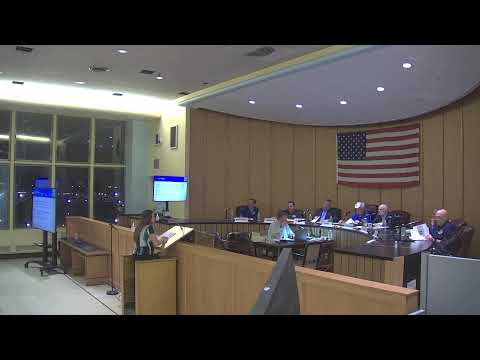
The Long Beach City Council voted to correct a clerical error on the 2023–2025 assessment rolls and approved renewal of its property assessment software maintenance as the city continues migration to a Tyler Systems platform.
City staff explained that a commercial parcel that had been subdivided into two residential properties retained a non‑homestead code in the legacy assessor system after a split, which prevented the usual alert and led to two years of incorrect billing. The city recommended a refund of $23,132.59 to the property owner to correct the error. Ray Flammer of the Assessor's Office answered council questions about the cause and said the change to the Tyler system should prevent similar errors because it enforces class changes and will generate alerts.
Council members pressed staff on the software maintenance costs for the assessment system. The city is paying an annual subscription/maintenance fee that staff said is $32,000 for the current year, rising in subsequent years to $34,000–$37,000 per staff projections. City Controller Ina Resnick said the system replaces a legacy “shadow” setup that was prone to control issues and that moving to the enterprise resource planning (ERP) environment and integrating assessment and billing into Munis reduces operational risk. Staff told the council the system currently manages roughly 9,666 parcels for Long Beach.
Council members asked why the annual maintenance fee seemed high given a previous one‑time implementation payment; staff explained the initial $121,000 was for implementation and training and that annual subscription/maintenance covers modeling, billing generation, tax file creation and support. Resnick told the council that a full migration to a different vendor would likely cost millions to implement and that the current platform is widely used and offers integration benefits.
The council adopted the clerical correction and the software maintenance renewal after the discussion. The resolution on the correction authorizes the $23,132.59 refund. The software maintenance renewal was carried with council support despite a question from one member who voted no; proponents said modernization will reduce the risk of errors like the one that required correction.