Get Full Government Meeting Transcripts, Videos, & Alerts Forever!
Get email alerts on the Adu Tax Exemption topic
No spam. Unsubscribe anytime.
Committee holds public hearing on county'level ADU tax-exemption; $200,000 market-value cap, five-year incentive discussed
Summary
The committee held a public hearing on a local law to allow a county property-tax exemption for accessory dwelling units (ADUs) equal to up to $200,000 in added market value for up to five years; committee members asked about assessment effects and municipal opt-in rules.
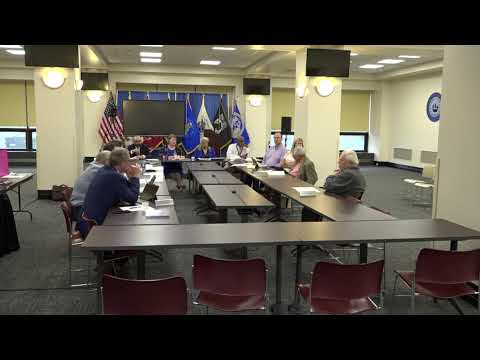
The Albany County Audit and Finance Committee held a public hearing May 29 on a proposed local law that would allow homeowners who add an accessory dwelling unit (ADU) to receive a county property-tax exemption for the increase in market value attributable to the ADU.
The proposed local law would exempt up to $200,000 in market value attributable to the construction of an ADU, and the exemption would run for a five-year period under the draft before the committee. Counsel and staff said the exemption amount is set by state statute and that municipalities must opt in to the county program.
During the hearing committee members asked a series of technical questions about how assessments and levies would be affected. County staff explained that the exemption applies to the county portion of property taxes, not automatically to municipal or school portions, and that exempting the ADU value for county tax purposes does not by itself change how a municipality sets assessments for other properties unless a revaluation occurs.
A member asked whether raising assessed values on properties with ADUs could shift tax burden onto neighbors without ADUs. County staff said the tax levy remains the same and that an exempt value would reduce the taxable share for properties with ADUs; they cautioned that, if a revaluation compares properties with and without ADUs, assessment comparisons could produce changes but the effect depends on each municipality's assessment practices and equalization rates.
Members also asked whether school districts can opt in; staff said that state law allows participation by other taxing jurisdictions and that school participation would depend on each district.
No final vote was taken; the item was the subject of the public hearing and will return to the legislature for further action if the committee moves a local law forward.
Ending
Committee members asked county staff to coordinate with municipal officials about ADU definitions and to provide clearer examples of how equalization rates translate market-value exemptions into assessed-value changes for residents in different municipalities.