Get Full Government Meeting Transcripts, Videos, & Alerts Forever!
Get email alerts on the Parking topic
No spam. Unsubscribe anytime.
Downtown parking complaints push Carmel council to add parking plan to June agenda
Summary
Business owners and residents told the council employees are occupying long-term curb and lot spaces, reducing visitor access. Council agreed to place a parking management presentation on the June agenda and to pursue short-term enforcement and policy options.
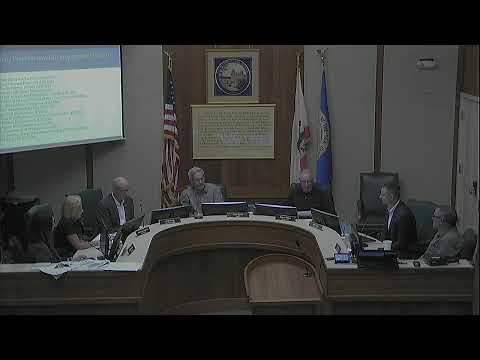
Several downtown business owners and residents urged the council on May 21 to address what they described as chronic employee parking in prime curb and lot spaces during peak visitor hours.
Randall Burnett, co-owner of Katie’s Place on Mission Street, told the council his restaurant and other businesses often lose customer parking to employees who leave cars in prime spots all day. Burnett said local business owners report employees parking in 20-minute spaces and in the post‑office lot, and that enforcement has been inconsistent. He called the problem a threat to downtown businesses’ vitality.
Council and staff said they have been tracking parking concerns and that the mayor has led an independent parking study. Staff and consultants plan a broader presentation in June. The council agreed to agendize parking management for the June meeting and to bring a range of policy options for immediate and midterm action, including testing enforcement changes, revisiting the in‑lieu “Lufe” fee formula and exploring tools such as valet programs, license‑plate pay systems, and adjustments to parking rates.
Andrew (a consultant working with the mayor and business groups) told the council staff that a multi-faceted approach is under study — including enforcement, rate changes, possible Assembly Bill 413 implications and pilot programs such as valet or parking concierges. Staff said the mayor’s initiative has not used significant city staff time and that the June presentation will formalize options for council direction.
Council members acknowledged the business concerns and asked staff to bring back a written package of enforcement options, any statutory constraints, and revenue estimates tied to rate or policy changes. The council set a June agenda date to review staff and consultant recommendations; no ordinance or fee change was adopted at the May workshop.