Multnomah County commissioners set portfolios, prioritize homelessness, behavioral health and governance reforms

2627267 · February 12, 2025

Loading...

AI-Generated Content: All content on this page was generated by AI to highlight key points from the meeting. For complete details and context, we recommend watching the full video. so we can fix them.

Summary

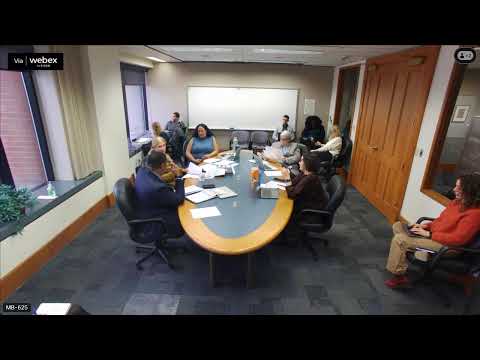
At a board work session, Multnomah County officials published committee assignments and discussed priorities including homelessness and behavioral health, while debating calendar, materials timing, one-time spending and meeting procedures.

The presiding officer of the Multnomah County Board of Commissioners read the board’s committee and interagency assignments and opened a wide-ranging work session focused on homelessness, behavioral health, economic and workforce development, and internal board operations.

The assignments, read into the record by the presiding officer, place District 1’s commissioner on social-services–focused bodies including aging and disability advisory councils and the county trafficking collaborative; District 2’s commissioner on homelessness-response and regional transportation bodies including the Joint Policy Advisory Committee on Transportation (JPAC) and the Region 1 Area Commission on Transportation (R1ACT); District 3’s commissioner on regional disaster preparedness, transit advisory and audit committees; and District 4’s commissioner on arts and culture, library advisory and workforce boards. The presiding officer said, “I want to read the narrative for each commissioner now,” as the assignments were placed on the public record.

Why it matters: commissioners said the portfolio assignments will shape what issues they bring back to the full board and how the county shows up at intergovernmental tables. Several commissioners called for a clearer, calendar-linked board work plan so committee reports, policy development and the county’s budget process align.

Discussion highlights

Homelessness and shelter models: Commissioners repeatedly identified homelessness as a top priority. Speakers urged the board to be explicit about the types of shelter the county will support — distinguishing “overnight shelter without services” from “housing placement–focused” or 24-hour sites — and to align county work with the city’s community-sheltering strategy and the regional Homelessness Response Action Plan. One commissioner said a key upstream priority is youth exiting foster care, describing it as "probably the only upstream investment we can make to address what we know becomes the pipeline to chronic homelessness." Another commissioner urged immediate use of existing resources to address shelter needs rather than waiting for the regular budget cycle.

Behavioral health: Commissioners pressed for a system-of-care approach for people with serious behavioral-health needs who experience homelessness or repeated criminal justice and hospital contacts. The board discussed implementing sobering services and crisis-stabilization facilities on an accelerated timeline; one commissioner said the county must "bring on the sobering events this spring" and ensure facility and service deadlines are met so openings are not delayed.

Economic empowerment, workforce and childcare: Several commissioners proposed linking infrastructure and capital projects to workforce pipelines that prioritize local hires and prevailing-wage jobs, including expanding opportunities in trades and apprenticeships. Commissioners also discussed early-childhood care and preschool access as workforce and economic-development priorities; one suggested coordinating county, Metro and city efforts to avoid duplicative, siloed investments.

Public safety and corrections: Commissioners raised public-safety topics that fall partly under county authority, including support for Department of Community Justice, the sheriff’s office, the district attorney’s office and detention facility planning. The board discussed staffing challenges and the need to consider potential replacement planning for the county detention center.

Board governance, calendar and public process: A large portion of the session focused on how the board will conduct its work. Commissioners proposed: (1) adopting a board work plan tied to a published calendar, (2) creating regular agenda time for committee report-outs so chairs can brief the full board and public, (3) improving advance distribution of meeting materials to allow commissioners and the public time to review them (several commissioners said materials arriving Friday evening are not sufficient), and (4) using staged public processes — for example, briefing, public comment period and then a final vote — for complex policy matters. Board staff said they will circulate a year calendar and work with commissioners on timing and briefings. The presiding officer said the county has retained a consultant to review board policies and the code of conduct, and commissioners should expect recommendations later in the month.

Budget timing and one-time funds: Commissioners debated using one-time or unspent funds before the annual budget cycle to address urgent needs such as shelter or rent assistance. Some argued that available one-time dollars could make immediate measurable differences; others cautioned that the county’s practice is to collect unspent funds and use them as working capital in later budgets and stressed the need to preserve budget discipline given projected deficits. Finance staff told the board they will release a year-end spending report so commissioners can see where under-spending occurred and the financial policies that guide handling of those funds.

Proclamations and meeting logistics: Commissioners and staff flagged a desire to change the county’s approach to proclamations and ceremonial items so community invitees are treated respectfully and lengthy ceremonial items do not displace substantive policy discussion. Staff said they are working with the Office of Diversity and Equity and labor resource groups on a proposal.

Next steps: The presiding officer said assignments and the year calendar will be posted and shared with commissioners. Staff will release the fiscal year–end spending report and circulate proposed changes to proclamations and board-policy guidance; a consultant’s recommendations on code-of-conduct and board agreements were expected later in the month. The board also scheduled a virtual meeting connected to a separate, time‑sensitive appointment process and plans to convene its regular board meeting on Jan. 16.

No formal votes were taken during the work session; the meeting was structured for discussion and planning rather than action.