Get Full Government Meeting Transcripts, Videos, & Alerts Forever!
Get email alerts on the Meeting Procedure Invocation topic
No spam. Unsubscribe anytime.
Show Low board to replace spoken invocation with a moment of silence after objections
Summary
At its February meeting the Show Low Unified School District board announced it will no longer open meetings with a spoken invocation and will hold a moment of silence instead; the change drew criticism during public comment from a constituent who said the board had dismissed offers to represent non‑Christian faiths.
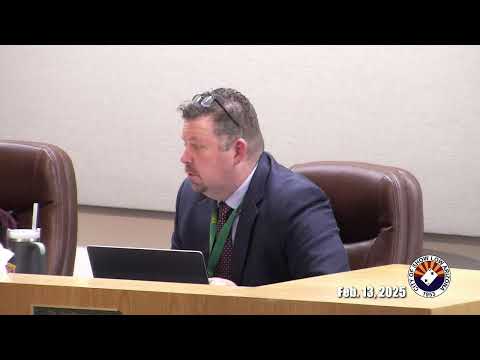
The Show Low Unified School District Governing Board announced at its February meeting that it will stop opening meetings with a spoken invocation and instead observe a moment of silence at the start of future meetings, the board president said.
“The issues that we've had regarding opposition to our holding an invocation at the beginning of our meetings … we feel like what would be best for the overall representation of the children in our district that we are going to now hold a moment of silence for our invocation on each of our school board meetings from here on out,” the board president said during the agenda item discussing the call to order and invocation.
The change followed discussion among board members and consultations the president said he had with elected officials and other governing bodies. Dr. Farnsworth confirmed the description of the plan when asked by the president: “No, sir.”
During the public‑comment period Ashley McCleve criticized the board’s earlier practice and the president’s handling of offers to provide inclusive invocations. McCleve said members of the public had offered to supply invocations representing non‑Christian faiths and that the board had not accepted those offers: “When we came to you, offered to give you invocations to work with you so everyone was represented … you dismissed us, your constituents,” she said. McCleve also told the board she believed a constituent had been arrested after objecting; the transcript records her claim but the board did not provide additional detail during the meeting.
Why it matters: The invocation change addresses concerns about religious representation at public meetings and was raised again during public comment, signaling continuing community interest in how the board opens and frames its public sessions. The board announced the procedural change during agenda item 2.2 and moved on to other business without a separate, recorded roll‑call vote on policy language in the minutes of this meeting.
Context and next steps: The board chair presented the change as a standing practice going forward. Public comment on the topic included calls for broader representation and criticism of the board president's prior handling of the issue. The board did not provide additional policy language or an implementation timeline during the meeting; the policy will be reflected in future meeting openings.
Ending: The board continued with the rest of its agenda after the announcement, including routine approvals and recognitions.