Get Full Government Meeting Transcripts, Videos, & Alerts Forever!
Get email alerts on the Open Meetings And Ethics topic
No spam. Unsubscribe anytime.
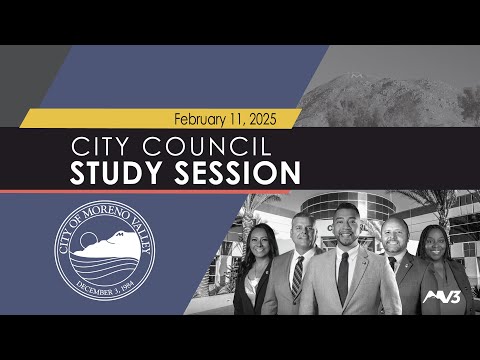
City attorney reviews Brown Act and conflict‑of‑interest rules in Moreno Valley study session
Summary
Moreno Valley City Attorney Steven Quintanilla gave a study‑session briefing on the Brown Act, conflict‑of‑interest law, disclosure obligations and public‑comment rules on Feb. 11, emphasizing open‑meeting requirements, gift and campaign‑contribution rules and the limits on councilmembers' ex parte contacts.
City Attorney Steven Quintanilla gave Moreno Valley City Council members a compliance refresher on the Brown Act and local conflict‑of‑interest rules during a study session on Feb. 11, outlining key open‑meeting requirements, recusal duties and financial disclosure obligations.
Quintanilla told the council that the Brown Act is a state law that guarantees the public’s right to open meetings and requires posted agendas, public notice and that deliberations and votes occur in public. He reviewed how the law applies to city legislative bodies, standing committees and ad hoc subcommittees, and warned that a gathering of a majority to hear, discuss or act on city business may trigger Brown Act requirements even if attendees do not exchange words.
Quintanilla covered common exemptions and pitfalls: individual one‑on‑one contacts, serial meetings (repeated one‑on‑one contacts used to convey a majority’s views), attendance at public community meetings and allowable conference remarks. He singled out social media, advising caution about liking other members’ posts or using emojis because those actions can be treated as expressions of opinion under the law as currently interpreted; he recommended council members include a personal‑page disclaimer and avoid using an official title on personal pages until higher courts clarify the issue.
On conflict of interest, Quintanilla reviewed the Political Reform Act, the role of the Fair Political Practices Commission (FPPC), Government Code section 1090 (interests in contracts) and campaign‑contribution rules discussed in the presentation. He summarized disclosure duties for Form 700 filers (annual statements and timely amendments for changed circumstances), the $630 annual gift reporting threshold the clerk cited during the session, and the requirement to publicly disclose and recuse from matters with specified financial connections. He said the FPPC issues advisory opinions and that obtaining an FPPC advisory letter in advance (based on full facts) can provide civil‑prosecution immunity in narrow circumstances.
Quintanilla also described special rules the city enforces: the requirement to avoid discussing matters ex parte that are before the council, restrictions on accepting certain transportation/travel payments from for‑profit transportation companies, and the severe consequences of violating Government Code section 1090 (including contract voiding, disgorgement and other penalties). He addressed a state law discussed in the session that limits councilmembers’ participation when an applicant or participant has made significant recent campaign contributions; the presentation noted the increased contribution threshold that took effect at the start of the year and described the reporting and cure options Quintanilla recommended.
Council members thanked the city attorney for the refresher and raised no formal questions that changed council procedure; Quintanilla encouraged members to consult the FPPC or the city attorney on fact‑specific situations and to “trust your gut” and ask follow‑up questions when a conflict or Brown Act concern arises.