Get Full Government Meeting Transcripts, Videos, & Alerts Forever!
Get email alerts on the Public Finance topic
No spam. Unsubscribe anytime.
New cemetery district briefed on finance setup, internal controls and state reporting as tax revenues arrive
Summary
County staff briefed the board on cash flow timing, tax-anticipatory notes, recommended internal controls, accounting software options, procurement thresholds and mandatory state reporting.
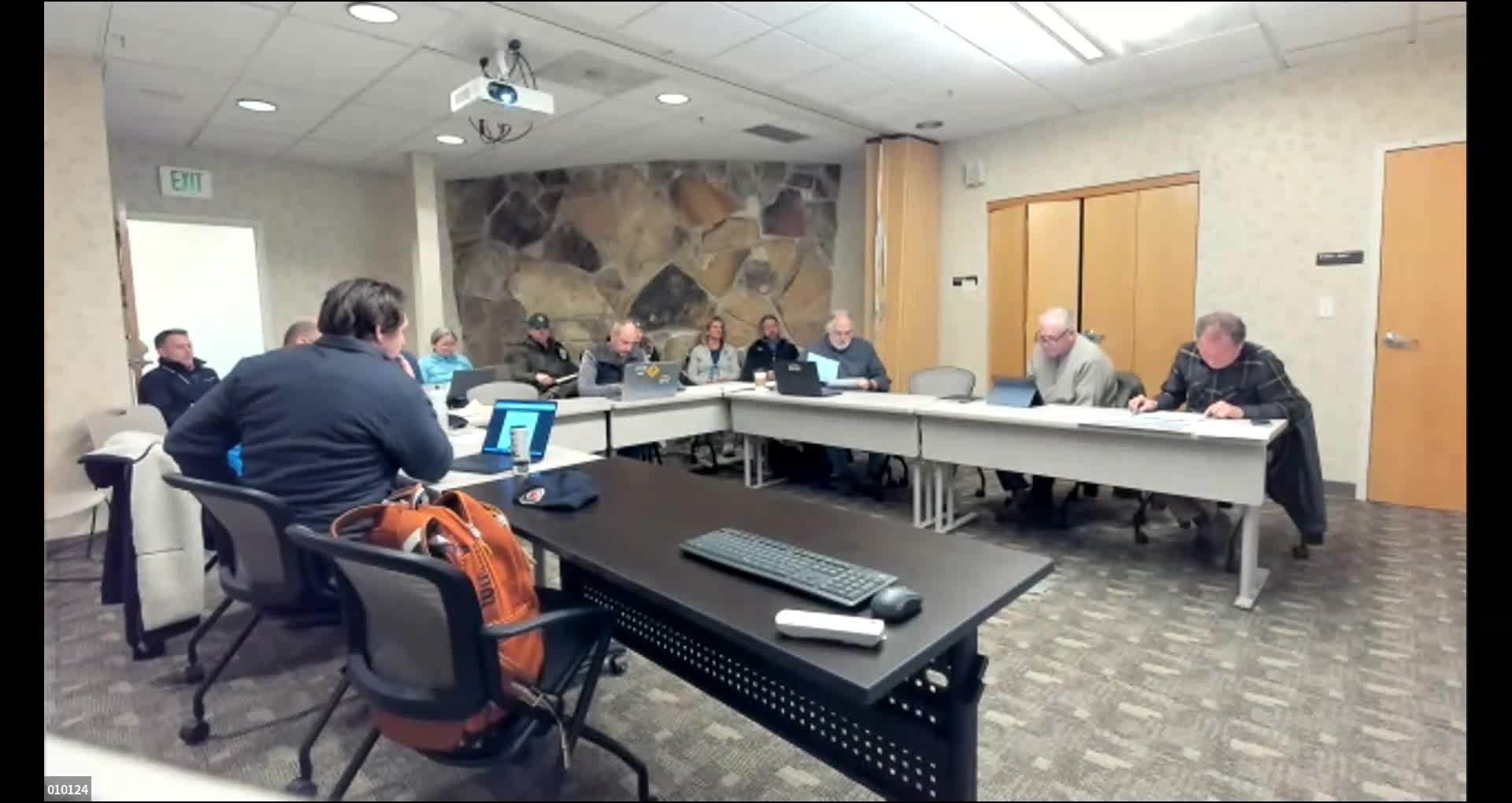
The Snyderville Basin Cemetery District received a detailed briefing on financial and governance steps needed to operate after the district’s budget authorization, including how and when tax revenues will flow and what accounting and reporting systems the district must put in place.
A county finance adviser told the board it should expect monthly correspondence from the county treasurer showing property tax revenues and that some property owners pay in installments, so cash receipts may trickle in before the year-end. “You should start seeing a letter every month from the treasurer's office,” the adviser said.
Treasury and credit options: staff discussed the “tax anticipatory” note used by other special districts to draw on county lending instead of issuing more costly external debt. Board approval is required before the district can draw on such a note, and staff said the board will need to approve the note or plan before the treasurer will allow draws.
Internal controls and accounting: staff emphasized the need for internal controls, segregation of duties, a general ledger and monthly bank reconciliations. County staff advised starting with a simple accounting package (for example, QuickBooks) that provides a trial balance and check register, and then migrating if necessary; the county’s enterprise system was described as larger and more expensive. “As a startup, you need some sort of accounting system and put some way in the accounting of your funds,” a staff adviser said.
Procurement, bank accounts and signatures: staff recommends procurement and personnel policies be adopted by the board and advised that bank accounts should be set up with at least two authorized signers and structured controls for wire/ACH transactions. County staff said community banks such as Zions or Wells Fargo are commonly used for government accounts in the area.
State reporting and audits: staff listed required reporting steps tied to the district’s budget size, including deposit and investment reports (twice yearly), quarterly revenue and expenditure uploads to the state transparency portal, the annual budget and financial certification, and an annual fraud-risk assessment. The adviser said requirements for formal audited financial statements depend on revenue size and that the district’s immediate requirement is the state’s large financial survey rather than a full audit. The state reporting threshold and timing were discussed in the meeting.
Next steps: staff offered to provide procurement and personnel policy templates, recommended the board consider whether to engage a CPA for review during the setup phase and suggested county monitors or an external consultant could assist setting up the chart of accounts and internal controls. The board agreed to return these items for formal action at a future meeting.