Get Full Government Meeting Transcripts, Videos, & Alerts Forever!
Get email alerts on the Transient Lodging Tax topic
No spam. Unsubscribe anytime.
Curry County adopts first reading to raise transient lodging tax to 10%
Summary
At a public hearing March 5 in Port Orford, the Curry County Board of Commissioners approved the first reading of an ordinance to raise the county transient lodging tax from 7% to 10% (ordinance 25-1); the vote on first reading was 2–0.
The Curry County Board of Commissioners held a public hearing March 5 in Port Orford and approved the first reading of Ordinance No. 25-1 to increase the county transient lodging tax imposed rate from 7% to 10%. The motion to adopt the first reading passed 2–0.
The ordinance was read by title at the hearing pursuant to ORS 203.045, the statute governing procedure for adopting ordinances, and the board opened and then closed the hearing during the meeting. The ordinance’s stated purpose is to amend Article 8, Division 1 of the Curry County Code to reflect the new transient lodging tax rate.
Why it matters: The change raises the lodging tax collected from short-term accommodations and other transient lodging providers; the county discussed possible spending priorities tied to the additional revenue, including tourism promotion, downtown revitalization grants and discretionary uses limited by state restrictions.
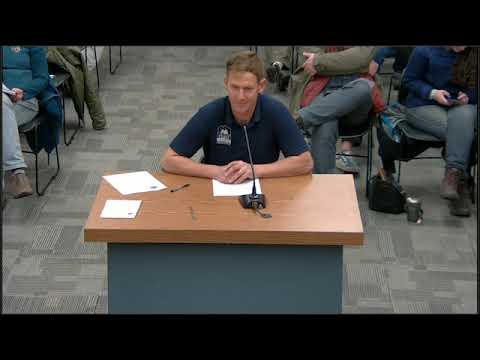
Public comment and fund restrictions: During the hearing a member of the public asked whether the additional revenue could be used for youth services and school facilities. County staff and commissioners clarified that Oregon’s statutory framework restricts the fund: 70% is required for tourism promotion (restricted) and 30% goes to the county’s general fund (discretionary). Commissioners also noted pending state legislation that could change how flexibly counties may use transient lodging funds.
Formal action and votes recorded in the meeting transcript: The board moved, seconded and voted to open the public hearing (vote recorded 2–0), accepted public comment, moved and seconded the motion to approve the first reading of the ordinance, and then voted to close the hearing; the first-reading motion carried 2–0.
What’s next: This was the ordinance’s first reading; the ordinance will require further readings or action as specified by county procedural rules before taking effect. County staff indicated there has been discussion of directing some of the increased revenue to tourism promotion, grant programs for businesses, downtown or port infrastructure and similar projects, but that statutory restrictions govern most uses.
Ending: Commissioners encouraged residents to review county materials on other items and to continue providing input on county spending priorities tied to new revenue sources.