Get Full Government Meeting Transcripts, Videos, & Alerts Forever!
Get email alerts on the Public Comment Policy topic
No spam. Unsubscribe anytime.
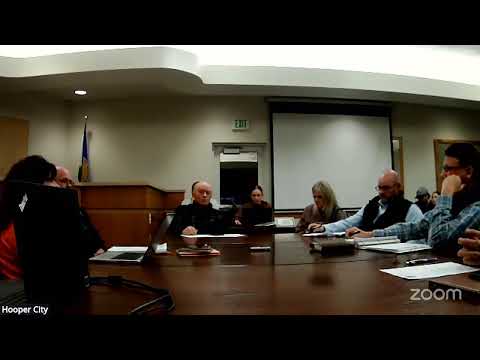
Council debates timing, limits and decorum for public comment at Hooper meetings
Summary
At the March 6 work meeting the council discussed moving public comments to the start of meetings, limiting commenters per meeting, online signups and enforcement against personal attacks; law enforcement and counsel attended to advise on First Amendment and meeting‑disruption issues.
Hooper City Council members used much of their March 6 work meeting to consider changes to how the city handles public comment, including whether comments should occur at the start of meetings, how many residents can speak, and how to prevent personal attacks and disruptions.
Council members reported that the city's municipal code lists an order of business that differs from current practice; historically public comments have been at the end of meetings. Several members said moving comments to the start could be more convenient for speakers but risk turning routine council business into repeated public hearings.
Options discussed included allowing public comment at the start of each meeting but limiting the number of speakers (one suggestion was a sign‑up cap), using an electronic or paper sign‑in to manage speakers, and limiting time per speaker. One councilmember suggested announcing any new sign‑up process for several meetings in advance.
The meeting included input from a law‑enforcement attendee and from an attorney, who said the city must respect First Amendment protections but may impose reasonable, viewpoint‑neutral time, place and manner rules and may remove disruptive attendees under state law. The attorney recommended making clear rules against personal attacks on council members or staff and announcing those rules at the start of meetings.
Council members also discussed nonverbal decorum such as clapping or cheering and the potential need for a sergeant‑at‑arms or other enforcement steps for the most disruptive situations. No formal policy change or motion was adopted at the March 6 meeting; the council asked staff to draft options and return with proposals for a future meeting.