Get Full Government Meeting Transcripts, Videos, & Alerts Forever!
DPH supply-chain presentation: GPO membership yielded rebates and helped manage shortages, officials say
Summary
San Francisco Health Network staff presented a five-year review of membership in the Vizient group purchasing organization (GPO). DPH reported roughly $2.3 million in cash-back rebates in 2023 and described how GPO contracts and inventory coordination helped the city avoid surgery cancellations during a recent IV fluid shortage.
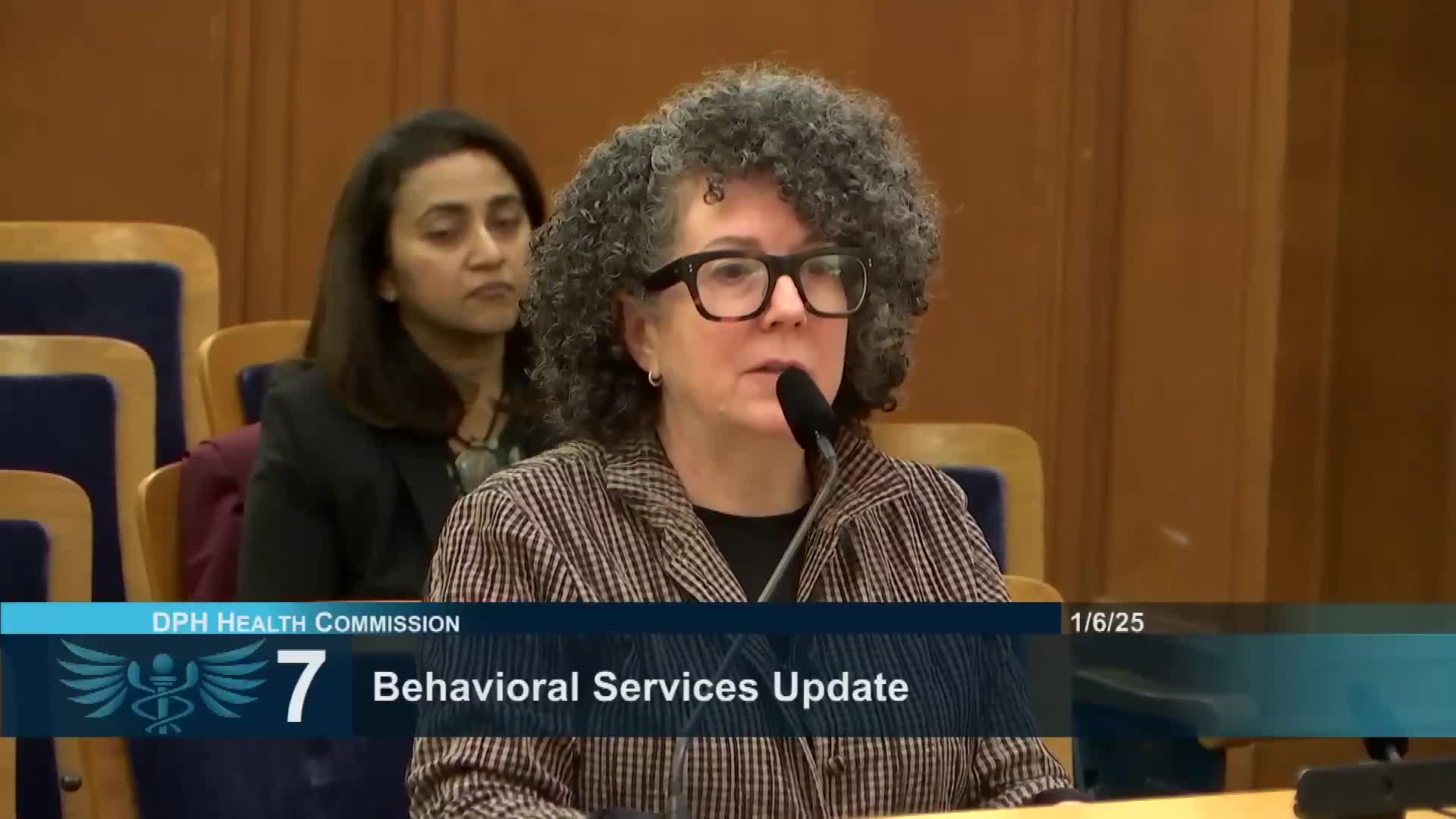
The San Francisco Health Network presented a five-year evaluation of its group purchasing organization (GPO) membership and told commissioners that membership in Vizient (the GPO used by DPH) has produced rebates, streamlined procurement and helped manage supply shortages.
Nader Hamoud, Administrative Executive for Support Services, said DPH chose Vizient after an informal 2019 market assessment and that the GPO offers broad supplier access, pharmacy programs, inventory…
Already have an account? Log in
Subscribe to keep reading
Unlock the rest of this article — and every article on Citizen Portal.
- Unlimited articles
- AI-powered breakdowns of topics, speakers, decisions, and budgets
- Instant alerts when your location has a new meeting
- Follow topics and more locations
- 1,000 AI Insights / month, plus AI Chat