
House panel grills Energy secretary on FY2026 budget cuts, reorganization and staffing
Get AI-powered insights, summaries, and transcripts
Sign Up Free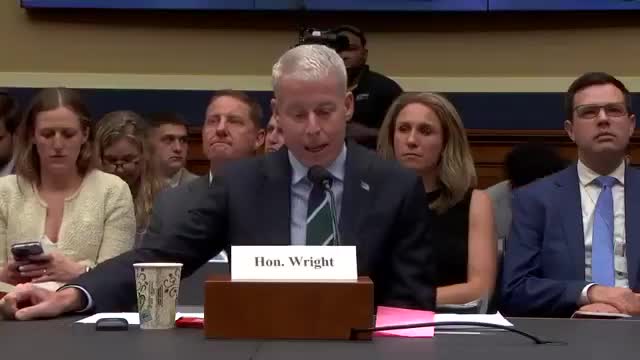
Summary
Secretary Chris Wright told the House Energy and Commerce subcommittee the administration’s FY2026 budget refocuses DOE on "energy dominance," cutting programs and trimming staff; Democrats warned the changes would jeopardize grants, labs and state programs and could raise utility costs.
Secretary Chris Wright defended the Trump administration's fiscal year 2026 Department of Energy budget on the record before the House Energy and Commerce Subcommittee, saying the proposal refocuses DOE on core missions "to unleash a golden era of American energy dominance, strengthen our national security, and lead the world in innovation." Wright told lawmakers the administration will prioritize what it considers affordable, reliable and secure sources and said the department has begun a workforce reorganization to align staffing with that agenda.
The subcommittee's Democratic members responded with concern. Representative Kathy Castor, the panel's ranking member, said the budget “will increase household energy costs, prioritize oil and gas, undermine clean energy, and gut energy assistance programs,” and warned that cuts to programs and staff could delay or cancel projects in states and localities that depend on DOE funding.
Wright said the department has moved largely through voluntary separations and other measures to align headcount with the new budget and mission, calling the effort “careful” and emphasizing a focus on efficiency. He said the agency has already terminated 24 projects totaling over $3.7 billion in financial assistance after internal reviews concluded those projects ‘‘failed to meet the economic, national security, or energy security standards necessary to sustain DOE's investment.’’ He framed the terminations as returning the department to ‘‘core missions’’ and protecting taxpayers.
Democrats and some Republicans pressed Wright on practical effects: whether reductions would slow work at the national labs, delay state energy program grants, or leave key offices understaffed. Members repeatedly cited specific programmatic concerns — including the Office of Clean Energy Demonstrations, the Loan Programs Office, Golden Field Office grant reviews and the State Energy Program — and requested clearer timelines and written commitments for staff and grant decisions.
Wright said the department will work to process reviews and noted that the reorganization was ongoing; he told members that more clarity on final staffing would come in the following weeks. He also said the department is prioritizing nuclear innovation, strategic petroleum reserve repairs and revitalizing national lab capabilities, including investments tied to AI and high performance computing.
The hearing produced no formal committee votes. Members on both sides said they planned written follow-ups. Wright committed to returning written answers where he said he lacked immediate details for the record and to work with members on grant and staffing questions.
Ending: Committee members asked for additional briefings and written responses; Wright said DOE would provide follow-up and that the department planned a phased reorganization and targeted program reviews to finish over the summer.