Get Full Government Meeting Transcripts, Videos, & Alerts Forever!
Get email alerts on the Housing Development topic
No spam. Unsubscribe anytime.
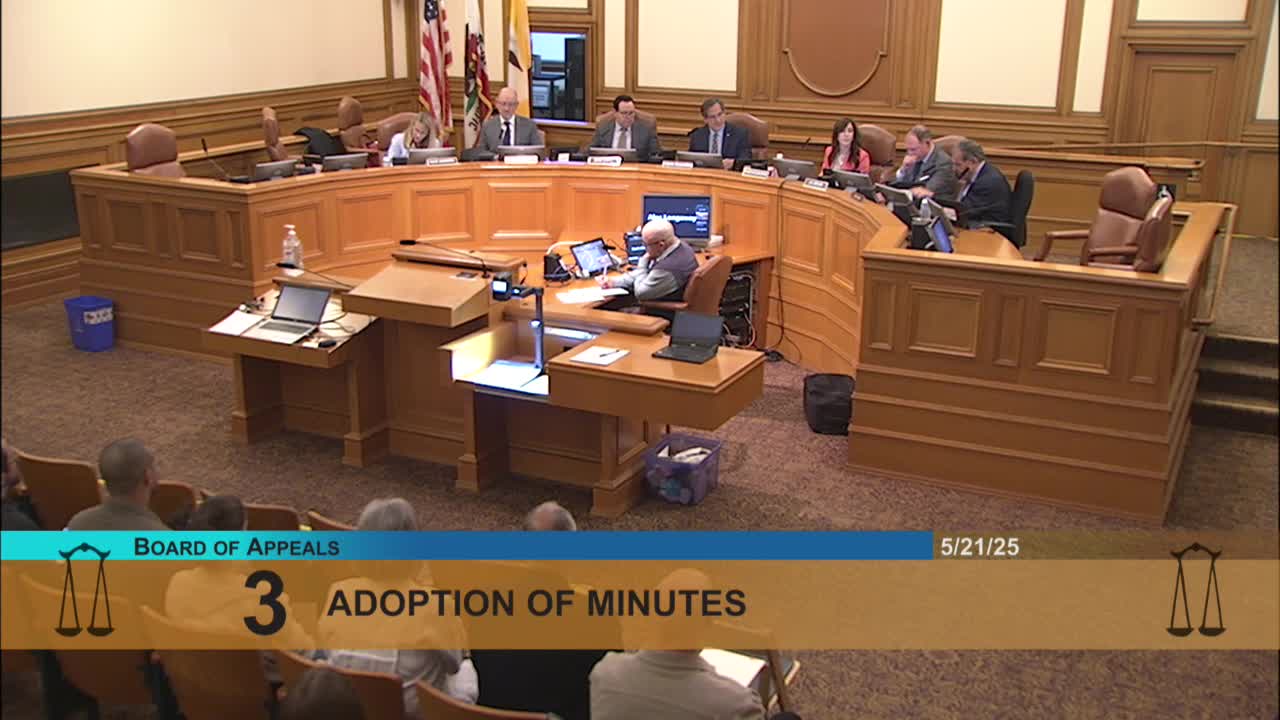
Board of Appeals denies jurisdiction request over 300 Deharrow site permit after neighbors say notice was not visible
Summary
The San Francisco Board of Appeals declined to reopen the appeal window for a site permit for a 425‑unit affordable housing project at 300 Deharrow Street after finding the requester had not met the high threshold to show the city intentionally or inadvertently prevented a timely appeal.
The San Francisco Board of Appeals on Wednesday denied a request to reopen the appeal period for a site permit issued for a 11‑story, 425‑unit affordable housing project at 300 Deharrow Street, after neighbors said they received no visible notice that would have triggered the appeal window.
The request, filed by resident Sanjay Gupta, asked the board to find that city actions caused him to miss the April 14 appeal deadline for site permit 202107235031, which DBI records show was issued on March 28, 2025. Gupta told the board he only received a demolition permit notice in the mail on April 15 and that posted signage either did not exist or was placed far back on the lot and obscured by vehicles. "It is not a notice if it can't be noticed," Gupta told the board.
The board's president, John Trezvina, moved to grant jurisdiction on the basis that the city had inadvertently caused the requester to be late. The motion received three votes in favor and one against — short of the four votes required to grant jurisdiction — and therefore failed. Vice President J.R. Epler had been excused from participation in the matter earlier at the request of the requester and with the board's assent.
Why it matters: The site permit is for a major affordable housing development that the permit holder said will be financed and built locally. The project backers argued that reopening the appeal window would delay construction and affect jobs and financing; union representatives and affordable‑housing advocates spoke in favor of letting the permit stand. Neighbors and the requester argued that inadequate or improperly placed signage deprived the public of the chance to timely appeal.
What the board heard: Gupta told the panel he found evidence in the DBI system that a behind‑the‑scenes override occurred on March 26 and that the posted notice — if it existed — was far from the public right‑of‑way. City staff and the permit holder said the permit sequence and reviews complied with state law. Department of Building Inspection (DBI) staff explained that boards and notices are provided to applicants for posting and that DBI does not perform a site visit to confirm posting; DBI staff read the relevant sign standard from the San Francisco Building Code (Section 106), which requires that permit posting be clearly visible to passing motorists and pedestrians, the face be parallel to the main street frontage and located 5 feet or less from the property line, and that the sign's bottom edge be at least 6 feet above grade.
Several neighbors and tenants appeared in person to say they walked past the property repeatedly and never saw a 30‑by‑30 posting. A representative of the NorCal Carpenters Union urged denial of the jurisdiction request to avoid delays in what the union described as a $200 million financing package for the 425‑unit, 100% affordable project.
Board reasoning and outcome: Members debated whether the city's actions were "intentional or inadvertent" for the purpose of the board's jurisdiction rules. Some commissioners said the language of the building code and DBI's reading suggested the posting requirements are specific and enforceable and that the reported placement and photographs described by speakers appeared inconsistent with those standards; others stressed the harm of delaying a large affordable housing project. President Trezvina said he was persuaded that city processes and the posting, as described by witnesses, created an inadvertent barrier to notice, and moved to grant jurisdiction. The motion fell 3–1, so the board denied the requester’s jurisdiction claim and did not reinstate the appeal window.
What happens next: With the jurisdiction request denied, the requester may consider other legal or administrative options outside the board; the permit remains in effect per DBI's issuance. The permit holder said it has financing in place and intends to proceed with construction.
Context and limits: The board’s action addressed only whether the city caused the requester to miss the appeal deadline; it did not rule on the merits of any underlying planning entitlements or permits already approved by other city bodies. The board also recorded that DBI staff recommended applicants photograph postings for their records but does not perform routine post‑posting inspections.
Ending: The board’s denial preserves the site permit for the 300 Deharrow project for now, but the exchange highlighted persistent questions about how the city documents and enforces public posting requirements for major developments.