Get Full Government Meeting Transcripts, Videos, & Alerts Forever!
Get email alerts on the IGaming Regulation topic
No spam. Unsubscribe anytime.
Wide debate in Ways and Means as delegates, industry and unions spar over House Bill 17 to legalize iGaming
Summary
Chair Vanessa Atterberry presented House Bill 17 on Feb. 10, a proposal to legalize internet casino gaming in Maryland with licensing, tax and responsible‑gaming requirements aimed at capturing an estimated illegal market and funding state programs.
The House Ways and Means Committee heard extended testimony and questions on House Bill 17 on Feb. 10, a broad proposal from Chair Vanessa Atterberry to legalize internet casino gaming (iGaming) in Maryland and establish licensing, taxation and consumer‑protection rules.
Atterberry opened the presentation by describing the bill’s goals as capturing an existing illegal online market she estimated at “operating to the tune of $7,000,000,000, annually,” and creating a regulated market with diversity and responsible‑gaming safeguards. “I didn't put this bill in because I gamble. I do not gamble,” she said, explaining the bill’s revenue, diversity and consumer‑protection provisions.
Key bill features described by Atterberry and subsequent witnesses
- Licensing and fees: license fee set at $1,000,000 with payment plans available; renewals every five years with a renewal payment of 1% of revenue for the preceding three years. Casinos by right could receive one license and in limited circumstances up to three licenses, with additional competitively awarded licenses available if any remain. - Taxes and distributions: a tiered tax structure discussed in committee materials (Atterberry cited a 55% headline rate and 20% for live dealer games in bill text commentary). The bill hard‑codes funding allocations to address potential cannibalization including a $10,000,000 employee displacement fund, a percentage for local jurisdictions (1% cited in testimony), 1% for the Lottery/Commission administrative costs and 1% to a problem‑gaming fund; remaining revenues were described as dedicated to the Blueprint for Maryland’s future (education) in statutory language. - Diversity and social equity: licensees must submit diversity plans; the bill requires at least 5% ownership by certain individuals and includes social‑equity ownership thresholds for additional licenses (testimony referenced a 33% ownership threshold for an additional license in some configurations). - Responsible‑gaming measures: age verification and “know your customer” requirements, limits on spend that an account holder must set and may only change periodically, a ban on credit‑card funding, voluntary exclusion programs, data protections and required reporting to the Maryland Center of Excellence on Problem Gambling and to the regulator on flags for erratic behavior. - Live‑dealer and studio requirements: live dealer studios, when used, must be physically located in Maryland (or the county of a brick‑and‑mortar facility) and will be interpreted in the licensing rules.
Proponents’ case
Representatives from the online gaming industry (including trade groups and operators), Maryland‑based minority media and business groups, and smaller retail gaming businesses testified in support. Several themes recurred:
- Capture illegal market and generate revenue: trade witnesses and operators said legalization would shift play to regulated operators and produce revenue and enforcement resources. An industry representative cited an estimate that a 30% tax rate would have delivered about $1.65 billion over five years in one modeling example presented to the committee. - Consumer protections and responsible gaming: BetMGM’s Richard Taylor, director of responsible gambling, told the committee, “By legalizing iGaming, Maryland can provide a safe regulated alternative ensuring that consumers are protected while the state collects tax revenues for vetted gaming companies,” and described firm programs for monitoring, self‑exclusion and telehealth counseling partnerships. - Minority participation and local jobs: minority‑owned firms, including Urban One, submitted testimony that they could create Maryland‑based live‑dealer studios and film production facilities and urged provisions allowing minority operators to compete for licenses and meet in‑state capital and job commitments.
Opponents’ case
Unions, public‑health and addiction experts, tourism groups, smaller retail operators and some casino companies opposed the bill or urged caution. Core concerns included:
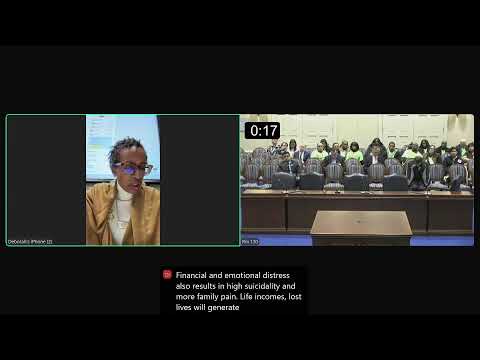
- Job loss and local economic harm: unions and many casino operators said iGaming cannibalizes brick‑and‑mortar revenue and employment. Michael Hashey of Unite Here warned of job losses experienced in several iGaming states and cited data showing casino workforce reductions in some older markets. Ocean Downs, other casinos and hospitality businesses described the downstream local economic impact of reduced foot traffic. - Public health and addiction: the Maryland Center of Excellence on Problem Gambling and certified peer specialists testified that online casino products are highly addictive and that increased accessibility would raise problem‑gambling incidence, with attendant social costs including treatment needs and elevated suicide risk among vulnerable populations. - Uncertain net fiscal effect: witnesses offered contrasting models. Industry witnesses cited multi‑billion dollar gross market estimates; an updated report by the Innovation Group for an advocacy client concluded iGaming could reduce brick‑and‑mortar casino revenue by about 16 percent in Maryland and project net job and tax losses after accounting for cannibalization and social costs.
Committee discussion and unanswered implementation questions
Committee members asked detailed questions about referendum requirements (Atterberry said the attorney general had not issued an opinion at the time), which categories of entities could hold licenses, social‑equity and headquarters‑in‑state requirements, and how local impact grants and the displacement fund would be administered. Witnesses from operators described data‑driven monitoring tools that flag erratic play and explained how game and account controls work, while peers and clinicians said such safeguards are insufficient to stop the harms that occur when gambling is made ubiquitous on personal devices.
No committee vote recorded
The committee heard multiple hours of testimony and questioning. The hearing record as provided closed with committee members and witnesses exchanging follow‑up offers to provide data and draft amendments; no committee vote or formal motion was recorded at the Feb. 10 hearing.
Ending: The debate reflected competing policy priorities—revenue and market regulation versus worker protection and public health. Committee members requested further data and follow‑up from multiple parties; next steps would include drafting amendments, agency fiscal analysis and possible further hearings before a committee vote.