Get Full Government Meeting Transcripts, Videos, & Alerts Forever!
Get email alerts on the Operations Staffing Caseloads topic
No spam. Unsubscribe anytime.
Cass County human services report: turnover falls to around 10% as child-protective caseloads rise; board briefed on several bills and a facility study
Summary
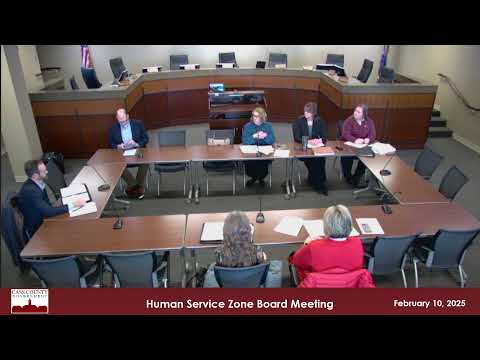
The Cass County Human Service Zone reported a drop in staff turnover to just over 10% for the past year, ongoing recruitment activity, rising child-protective caseloads and concerns about statewide performance dashboards; the board was briefed on legislative bills being tracked and a JLG facility master plan engagement.
Cass County Human Service Zone staff told the board on Feb. 3, 2025 that staffing turnover fell to just over 10% for the year, a significant decline from roughly 49% in 2022 and about 32% in 2023. Staff reported 26 hires and 12 separations in the year, and said the office made 38 offers and recorded roughly 20 acceptances.
The zone’s director said the improvement reflected sustained recruiting and onboarding work but warned that turnover could tick up in 2025 as newer staff “get their feet wet.” Staff noted one remaining vacancy in the economic assistance unit while family-services onboarding continues.
Board members were also briefed on rising child-protective services (CPS) caseloads. The director reported the zone had under 300 open CPS cases in December and that the count had increased to about 312 open cases since then. Staff said caseloads typically rise between October and the end of the school year and that the zone has requested assistance from other zones to manage workloads.
Members discussed concerns with statewide performance dashboards that the Department of Health and Human Services is building to measure zone standards. Staff said several economic-assistance measures are fluctuating because back-end definitions (work-item assignments and position-control tracking) remain inconsistent; the position-control log is a large, manually updated spreadsheet used to track FTEs across zones and functions. Staff urged caution in interpreting timeliness metrics and said some child-welfare measures are stable while others can be affected by operational realities such as difficulty locating individuals for 24-hour face-to-face visits.
The board heard legislative updates from the Association of Zone Directors. Staff said the human service zones’ budget is included in the Department of Health and Human Services budget bill and that committee work on that bill was beginning. The association is tracking many measures and provided examples discussed with the board, including (as cited in the meeting): “House Bill 10 72” (related to foster care/guardianship alternatives), “House Bill 10 95” (on Child Protective Service liaisons in school districts), a bill referenced as “Mandatory 12 68” (described in the meeting as requiring drug testing before unsupervised visits), “House Bill 15 56” (relating to relinquishment of parental rights for adoptive parents), and a Senate bill referenced in the meeting as “21, 12 Senate Bill” that would set aside beds for complex youth placements at a Life Skills Transition Center. Staff said the Association has provided testimony in support or opposition for various bills as appropriate and that they continue to monitor hearings.
Staff also reported that Cass County has engaged JLG to conduct a facility master plan / space-needs study covering the courthouse, the courthouse annex and the newly acquired RDJ building across the parking lot. Zone staff met with the consultants to explain service needs and how potential remote work might affect space planning.
The director said dashboards used for internal performance monitoring are not public facing and that quarterly reports from the Department remain pending for some measures. Board members asked whether the data are intended for legislator briefings, the director said these standards respond to statutory requirements and are intended to demonstrate zone effectiveness to the Department and to legislative oversight committees.
No formal board action was taken on these items; the discussions were presented as informational reports and lead to direction for staff to continue monitoring trends, request inter-zone assistance as needed, and share updates at future meetings.