Get Full Government Meeting Transcripts, Videos, & Alerts Forever!
Get email alerts on the San Quentin topic
No spam. Unsubscribe anytime.
San Quentin rehabilitation center: education, CTE and normalization at center of California model push
Summary
CDCR seeks ongoing staffing and program dollars to activate a new learning center and expand education and career technical programs at San Quentin State Prison; LAO recommends partial approval for activation but asked the administration to provide a clear implementation plan and measurable goals before approving broader funding.
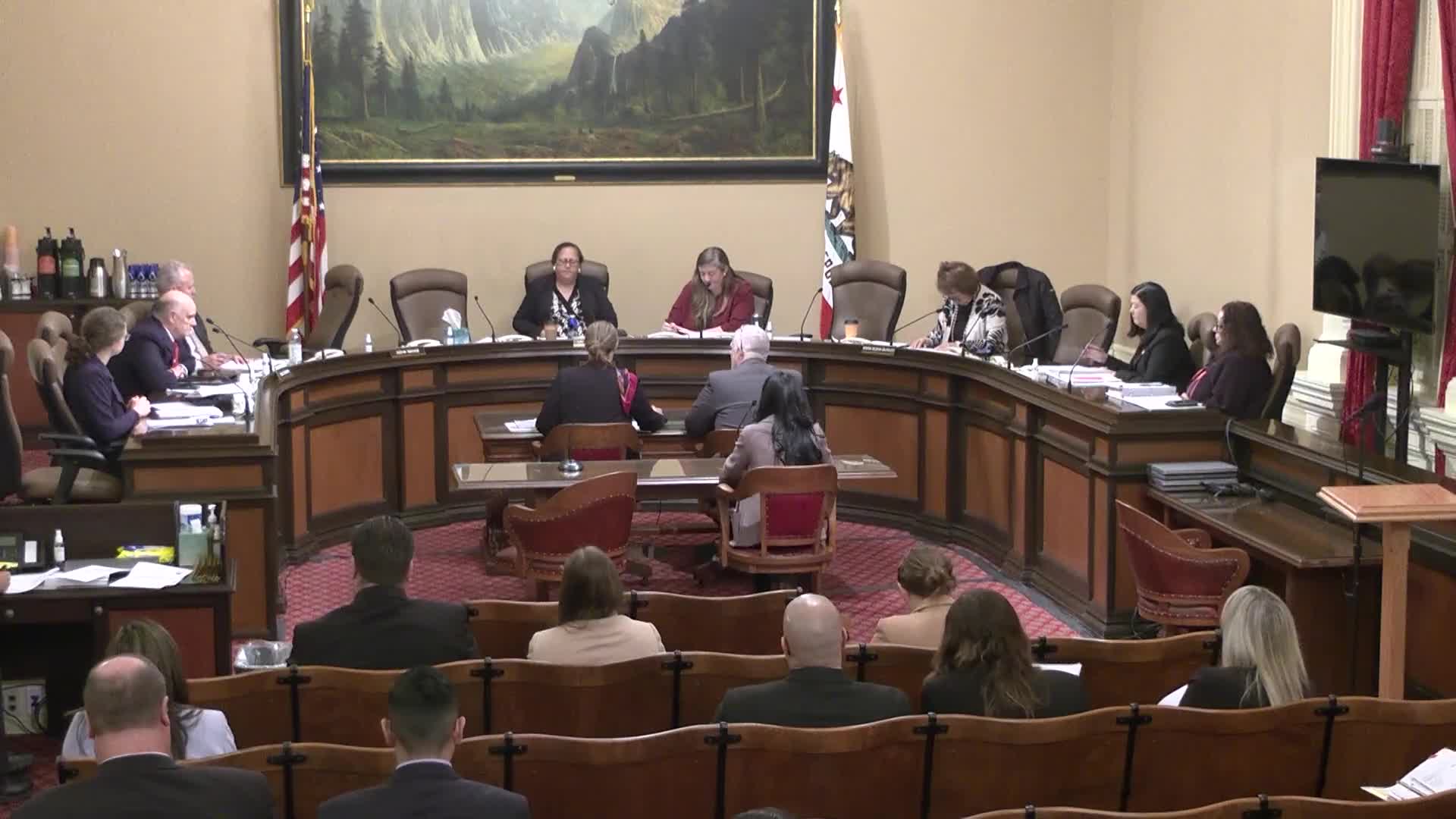
CDCR asked the subcommittee for resources to support the transformation of San Quentin State Prison into the San Quentin Rehabilitation Center and to fund staffing, education and career technical education (CTE) programs tied to the department’s broader “California model.”
Cynthia Mendoza said CDCR requests $7.8 million and 33.6 positions in 2025‑26 and larger sums in later years to activate rehabilitative staffing and resources for the site. Dave Lewis, CDCR’s facilities director, said the $239 million education center construction remains on schedule for structural completion and interior work tied to a January 2026 activation. Genevieve Candelaria, superintendent for the Office of Correctional Education, described the education and CTE plan: additional teachers to expand GED and degree programs, new CTE programs (electrical work and barbering) and partnering with community colleges and Mount Tam for pathways to associate and bachelor’s degrees.
Candelaria said San Quentin currently serves roughly 432 in‑person students and that the new facilities would allow hundreds more to access classes; she stressed education’s linkage to reduced recidivism rates and employment outcomes. “Education transforms the student,” she said, and cited departmental statistics showing lower recidivism for people attaining GEDs, CTE credentials and college degrees.
The LAO recommended approving funds to activate the new learning center (custody and operations to open the building and move existing programs into the space) and a small contract for job‑center services but advised rejecting the rest of the broader request until the administration provides a written plan explaining how San Quentin fits in the department’s statewide California‑model progression, what policy or budget changes are needed to implement the vision, how success will be measured, and how evaluation will be performed. LAO recommended a report by 01/10/2026 answering those questions.
Committee members asked about population targets at San Quentin, single‑cell goals, continuity of postrelease placement and whether barbering and other credentials will translate to licensure after release. CDCR officials said planning work remains ongoing, that the department expects to submit implementation details in the coming months, and that some licensing and postrelease placement questions are handled on a case‑by‑case basis with outside licensing bodies.
Ending: The subcommittee pressed CDCR for a clear written plan prior to additional multi‑year funding decisions and said it expects more detailed documentation before the May revision.