Get Full Government Meeting Transcripts, Videos, & Alerts Forever!
Get email alerts on the General Fund Revenues Expenditures topic
No spam. Unsubscribe anytime.
Finance director: January shows low-year-to-date revenue; expenditures reflect early-year contractual payments
Summary
Director of Finance Melanie Campbell reported that Toledogeneral fund revenues through January represent a small share of the annual budget and that several expenditure categories appear high due to early-year licensing and quarterly payments.
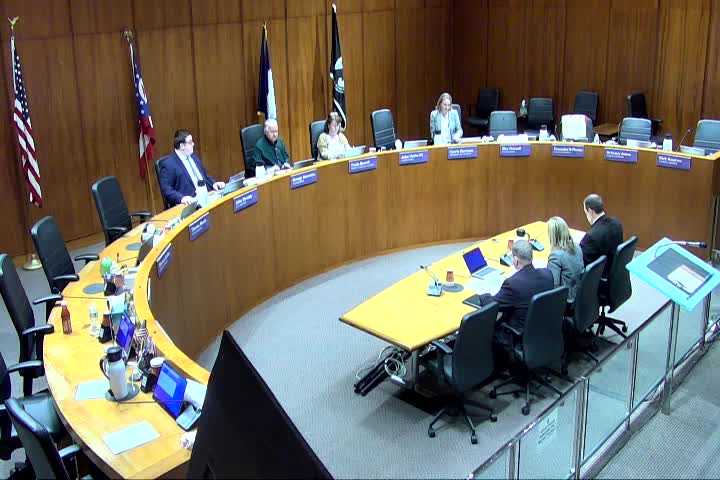
Director of Finance Melanie Campbell presented the general fund revenue and expenditure report for January 2025, telling the Finance Committee that early-year totals are small relative to the full-year budget but show expected timing effects.
"Through the first month of 2025, revenues are about 2% of the budget estimate," Campbell said, adding that many categories are low at this point because larger receipts and quarterly payments usually occur later in the year. She noted the committee was "8.3% through the year" on certain measures of commitments and actuals for the first month, and that comparisons to prior years show similar timing patterns.
Campbell walked the committee through category-level details. Licenses and permits are at roughly 6% of annual expectations. Charges for services overall were 7.6%, while a subset of "other fees and charges" was 13% because the countyplan commissionannual payment of $275,000 had already been received. Court fees and fines were at 6%, and "other revenue" was at 8%.
On the expenditure side, Campbell said labor expenditures were running at 9.3% year to date, slightly ahead of budget percentages; she attributed part of that to contractual service allowances and early-year payments for items such as police career enhancement and professional development stipends. "A lot of those hit early in the year, and we don't expect that to cause any issue though as we progress through the year," she said.
Nonlabor variances include a high percentage in finance ERP licensing, which Campbell said reflects an annual license payment made at the start of the year. Urban beautification was at 20.2% because contract services and encumbrances for a demolition program have been recorded early; safety administration showed 20% due to an annual quarterly payment to the 911 Regional Council of Governments.
Campbell said similar timing effects appear across all funds and recommended that the committee interpret the January snapshots in the context of seasonal and contractual payment schedules. The committee asked no further substantive questions; staff offered to answer follow-ups outside the meeting.
Clarifying details captured in the presentation include the $275,000 annual plan commission payment from the county (recorded in other fees and charges), finance ERP annual licensing as the cause of a front-loaded variance, and larger early-year encumbrances in urban beautification tied to demolition and disposal fees.
Ending: Campbell said staff will return with monthly updates; no budgetary changes were proposed at the meeting.