Get Full Government Meeting Transcripts, Videos, & Alerts Forever!
Get email alerts on the Cdbg Funding topic
No spam. Unsubscribe anytime.
Upland CDBG advisory committee recommends 2025–26 funding allocations for local nonprofits, public services and capital projects
Summary
The Upland Community Development Block Grant (CDBG) advisory committee voted to recommend a draft package of program‑year funding and capital projects after hearing presentations from local nonprofits and city staff, allocating the public‑service cap across 12 providers and endorsing multifamily rehabilitation and downtown business assistance programs.
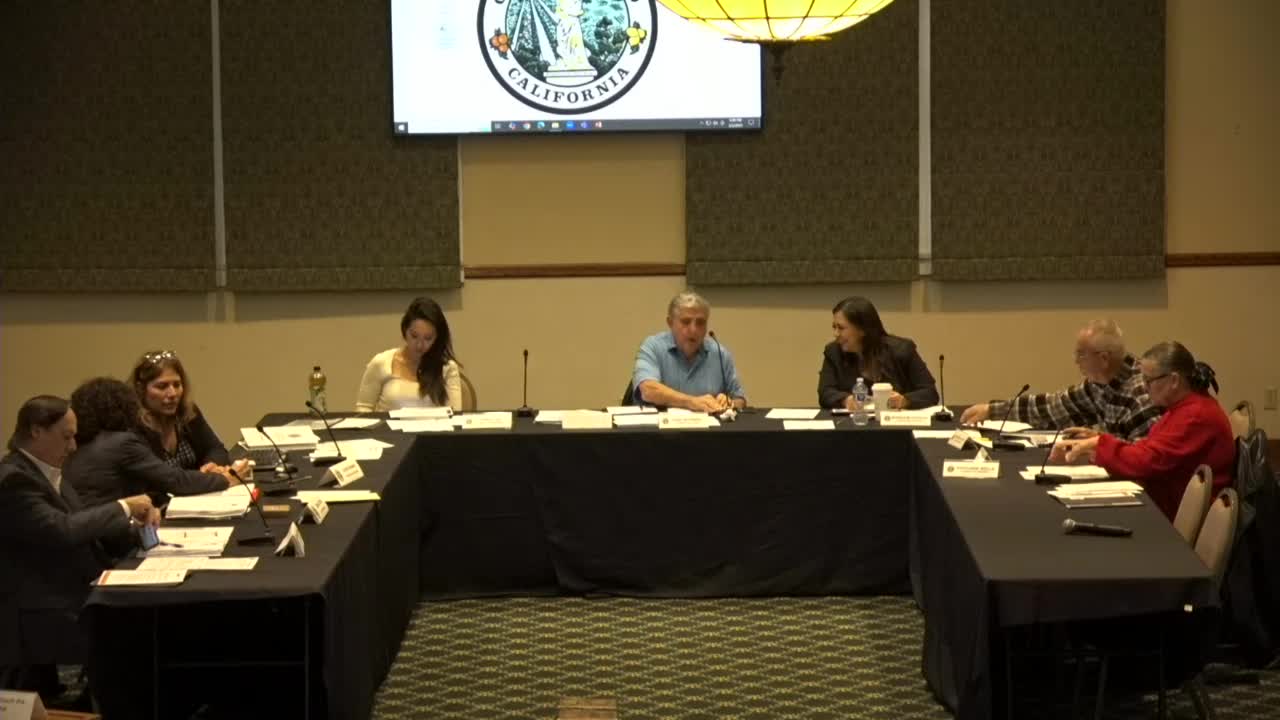
The Upland Community Development Block Grant (CDBG) advisory committee voted to recommend its draft 2025–26 funding allocations after hearing presentations from 14 applicant organizations and city staff, approving a package of public‑service awards and endorsing capital projects and administrative allocations. The committee approved the package by voice vote after several hours of presentations and discussion.
The committee’s recommendation front‑loads money for direct services and homelessness prevention while also reserving funds for downtown economic development and housing rehabilitation. In the public‑service category the committee allocated the program’s $90,000 maximum across local nonprofits and city programs; it also endorsed capital project funding for a multifamily rental rehabilitation program, a downtown Business Attraction Program and improvements at the Gibson Senior Center. The committee separately set planning and administrative allocations to cover program delivery and fair‑housing/mediation services.
Why it matters: CDBG money is federal funding intended to benefit low‑ and moderate‑income residents. The advisory committee’s recommendations will be forwarded to city council (and ultimately become part of the city’s annual action plan submitted to HUD), shaping which local social‑service programs and capital projects receive federal support in the coming program year.
What the committee recommended and approved - Public services (total capped at $90,000): the committee distributed the available public‑service pool across local providers. Amounts approved (committee voice vote) were: Foothill Family Shelter — $8,000; Assistance League of the Foothill Communities (Operation School Bell) — $5,000; Inland Valley Hope Partners (food security) — $5,000; Pacific Lifeline (case management) — $5,000; Inland Valley Recovery Services (bus passes/transportation) — $4,000; Saint Joseph Catholic Church (His Hands Food Pantry) — $15,000; Upland Police Department (U‑HOPE homelessness outreach) — $25,000; Anthesis/Enthesis Services (programs for adults with developmental disabilities) — $4,000; Ovation School for the Performing Arts — $10,000; Pacific Community Center — $4,000; Sunrise Life Development (food distribution) — $5,000; and a small award to Assistance League (listed above). The motion to approve the full set of allocations passed on a voice vote.
- Capital projects: staff presented three capital project proposals — a multifamily rental rehabilitation program (grants up to $50,000 per property in exchange for 10‑year affordability agreements), a Business Attraction/Assistance Program for downtown businesses (forgivable loans tied to job creation), and rehabilitation work at the Gibson Senior Center (interior flooring and painting). The committee voted to recommend those projects for inclusion in the city’s CDBG program.
- Planning & administration and fair‑housing/mediation: the committee recommended the program’s administrative allocation and smaller, dedicated awards for fair‑housing and landlord/tenant mediation services. The committee moved to allocate the planning/administration portion of the program year budget to administration and to split a smaller award between the Inland Fair Housing & Mediation Board’s fair‑housing and landlord/tenant mediation programs; the motion carried.
Presentations and discussion highlights - Assistance League of the Foothill Communities: Cindy Hall, grants chair, asked the committee to consider an $8,000 award for Operation School Bell, saying, “Tonight, we are asking that you would consider funding us with a grant of $8,000 to help meet our budget needs for our Operation School Bell project.” Hall said the chapter’s Operation School Bell served about 1,900 students across eight districts in the last fiscal year and that roughly 450 of those students attend schools in Upland Unified School District.
- Homelessness and rapid rehousing programs: Bonnie Cole, interim executive director of Foothill Family Shelter, described the shelter’s Stepping Stone housing program and said, “This year, we are requesting $20,000 in funding to support our stepping stone housing program.” Cole described the shelter’s 120‑day model (rent and utilities paid while families are required to save) and noted a reported 74% success rate for program participants. Upland Police Department Homeless Services Coordinator Jonathan Ingles outlined the U‑HOPE outreach work and emphasized street outreach and partnerships, saying, “It’s not that they don’t want help. It’s that they’re not ready for help yet.” Ingles noted placements, prevention work and referrals to substance‑use and mental‑health treatment partners.
- Child care, workforce and business support: Felipe Gamboa of Upwards Care framed childcare as an economic issue: “Child care is not just a family issue. It’s an economic and workforce issue that affects everyone.” He proposed the organization’s BOOST program to support home‑based providers; committee members expressed concern that the request was heavily weighted toward personnel and that Upwards’ local presence was relatively new.
- Fair housing and landlord/tenant mediation: Carmen Eileen Garcia, CEO of the Inland Fair Housing & Mediation Board, described the organization’s fair‑housing intake, education and mediation work and its role in preventing evictions by resolving landlord/tenant disputes before court. “This program… helps people not fall into homelessness,” Garcia said, describing regular mediation and front‑end screening and referrals.
Committee action and next steps - The advisory committee voted to forward the recommended allocations and projects to city staff and ultimately to city council for adoption and inclusion in the city’s Consolidated Plan/annual action plan submission to HUD. The committee’s package will be included in the draft action plan available for public review before final council action and the city’s HUD submission.
Quotes and attributions in this story come from presenters at the advisory committee meeting and are drawn from the meeting record. The advisory committee’s recommendations are advisory; final authority to adopt the plan rests with city council and HUD review processes.
Ending note: The recommendations approved by the advisory committee prioritize direct services and homelessness outreach while also maintaining funds for downtown economic development and housing rehabilitation. City staff will prepare the formal draft action plan and report back to council with the advisory committee’s recommendations and the required public‑notice materials.