Get Full Government Meeting Transcripts, Videos, & Alerts Forever!
Get email alerts on the Special Tax Districts topic
No spam. Unsubscribe anytime.
Representative presses for state oversight of special tax districts after referendum absentee ballots flipped result
Summary
A state representative urged the committee to extend SEC oversight to special tax districts, citing a local referendum where absentee ballots solicited before the meeting were later added and flipped a vote; she said current law provides little oversight or consequence.
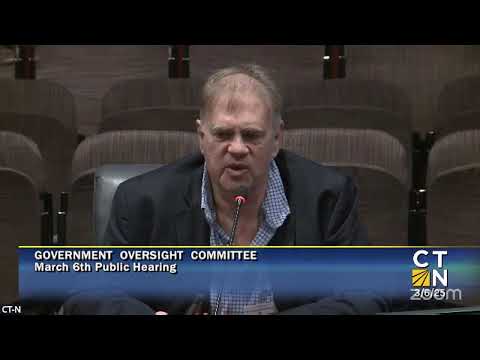
Representative Santanella told the Government Oversight Committee that legislation to bring entities created under Chapter 105 (special tax districts) under State Elections Enforcement Commission jurisdiction is needed after what she described as irregularities in a local referendum.
Santanella said a special taxing district in her town publicly noticed an in‑person referendum to approve a $2.4 million equipment purchase. People who attended the meeting voted to defeat the measure, she said, but district members later collected and added absentee ballots — a vote count that reversed the result. Santanella said the absentee process had not been included in the public notice and that, when she sought access to the absentee ballots by Freedom of Information request, she faced resistance and a lengthy process before getting the records.
Santanella said she filed a complaint with law enforcement; the state’s attorney told her the conduct was “not right” but that the office lacked a statutory tool to protect voters or sanction the district. She urged the committee to adopt the bill heard in this session (SB 1406 in testimony) to close the statutory gap she said leaves taxpayers and voters without accountability.
Her testimony focused on transparency and the need for consistent rules governing referenda and elections conducted by quasi‑governmental districts. She said the districts have municipal‑style powers — holding referenda, levying taxes and administering votes — yet in many cases are not subject to the same election or disclosure statutes that govern municipal elections, a gap she called “a gaping loophole.”
Committee members asked clarifying questions about the size and number of such districts statewide; Santanella cited an approximate 320 special tax districts reported in prior research and said several exist in her town. She recommended the committee consider statutory oversight that would allow audits, monitoring and enforcement for Chapter 105 entities and asked the Legislature to act to protect voters and taxpayers.
The committee did not take a vote at the hearing. Santanella’s testimony will be part of the record as lawmakers consider bills that would extend SEC jurisdiction to certain quasi‑governmental entities.