Get Full Government Meeting Transcripts, Videos, & Alerts Forever!
Get email alerts on the Healthcare Finance topic
No spam. Unsubscribe anytime.
House approves bill standardizing hospital financial assistance and debt-collection limits
Summary
Lawmakers passed House Bill 2-68 to require hospitals to reduce out-of-pocket costs for medically necessary care by percentage brackets tied to family income and to limit civil collection actions. Supporters said hospitals back the measure; opponents raised questions about state fiscal exposure via uncompensated care funding mechanisms.
The Maryland House of Delegates approved House Bill 2-68 on third reading after floor questions about impacts on hospital budgets and state Medicaid funding. There being 111 votes in the affirmative, House Bill 2-68 was declared passed.
According to the floor explanation, the bill alters hospital financial assistance and debt-collection policies by requiring hospitals to reduce a patient's out-of-pocket expenses for medically necessary care by specified percentages based on family income. The measure also prohibits hospitals from filing civil actions to collect certain debts in specified circumstances, increases the period before interest or collection action from 180 to 240 days, and adjusts income-based monthly payment plans.
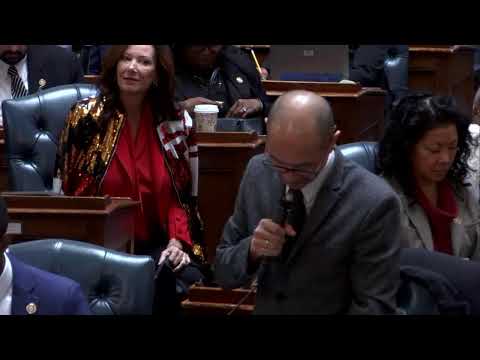
On the floor a delegate from Baltimore County asked whether the change would increase uncompensated care and who would ultimately cover that cost. The floor leader replied that hospitals support the bill and that uncompensated care is handled through existing mechanisms. A committee vice chair clarified that hospitals already write down debt to varying degrees and that the bill standardizes a floor for write-downs based on income; the Health Services Cost Review Commission (HSCRC) and the state's hospital global budget process were cited as the funding mechanism for uncompensated care.
Skeptical delegates noted the bill's fiscal note cautioned that impacts could be significant depending on the total balances of medical debt and that increased hospital rates, Medicaid expenditures, and federal matching funds could follow. Supporters said standardizing assistance would reduce uneven write-off practices across hospitals.
The transcript records the final floor tally as 111 affirmative votes. The floor debate referenced the HSCRC (hospital global budget) as the channel through which uncompensated care is managed but did not include additional implementing directives in the excerpted discussion.