Get Full Government Meeting Transcripts, Videos, & Alerts Forever!
Get email alerts on the Consumer Protection topic
No spam. Unsubscribe anytime.
House passes bill to keep most medical debt off consumer credit reports after debate over scope
Summary
Maryland lawmakers voted to pass House Bill 10-20, a measure aligned with recent Consumer Financial Protection Bureau guidance that bars most medical debt from consumer credit reports. Supporters said the bill protects people hit by unexpected medical costs; opponents raised concerns about scope and potential effects on credit decisions.
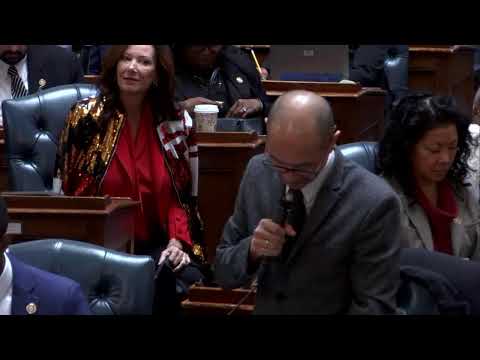
The Maryland House of Delegates passed House Bill 10-20, the "Fair Medical Debt Reporting Act," on third reading after a floor debate about how the measure parallels federal guidance from the Consumer Financial Protection Bureau. There being 101 votes in the affirmative, House Bill 10-20 was declared passed.
Supporters said the bill implements the CFPB guidance intended to prevent medical debt from unduly damaging consumers’ credit histories. The floor leader described the bill as following CFPB action, saying it "is based on some ruling that the Consumer Financial Protection Bureau put out in October of 10/01/2024" that was finalized on Jan. 7, 2025. The floor leader and the bill sponsor said the statute follows that federal pattern and noted other states had taken similar steps.
Opponents expressed concern about ambiguous definitions in the bill. The minority leader warned that the bill as drafted could allow elective or cosmetic procedures to be treated as medical debt that would not appear on credit reports, arguing that could mask information used by lenders in underwriting decisions. A delegate from Montgomery County pointed to testimony logged in committee showing the Maryland bankers opposed the bill. The committee chair responded on the floor that the CFPB distinguishes elective surgery from purely cosmetic procedures and that Maryland’s bill is not a mandatory ban for creditors but a protection for consumers to be considered under the CFPB framework.
The House debate included repeated questions about whether the bill would inadvertently hide debts from credit reports when consumers knowingly take on elective, financed medical procedures. Proponents said the bill targets unexpected medical debt—such as ambulance charges or emergency care—that borrowers could not reasonably anticipate. Delegates from the Eastern Shore and Dorchester County described scenarios—air ambulance bills and sudden medical emergencies—used to illustrate the potential harm to families if medical debt remained on credit reports.
The bill text and the floor discussion referenced the CFPB advisory (Oct. 1, 2024) and final rule (Jan. 7, 2025) as the regulatory context for Maryland's action. The transcript notes included testimony from private-sector groups; the Maryland bankers' written position was recorded in the committee material as opposing the bill.
The House recorded the final vote as 101 in favor; no recorded roll-call breakdown by name for this item was included in the floor transcript excerpted here. The bill now moves according to the regular legislative process.