Get Full Government Meeting Transcripts, Videos, & Alerts Forever!
Get email alerts on the Zoning And Permitting topic
No spam. Unsubscribe anytime.
Leesburg commissioners press for clearer zoning, faster permitting as hotel and meeting-space projects stall
Summary
At the March 5 meeting, the Leesburg Economic Development Commission discussed how zoning proffers and a slow permitting process are limiting commercial development and discouraging hotel and meeting-space projects, and asked community development staff for clearer guidance.
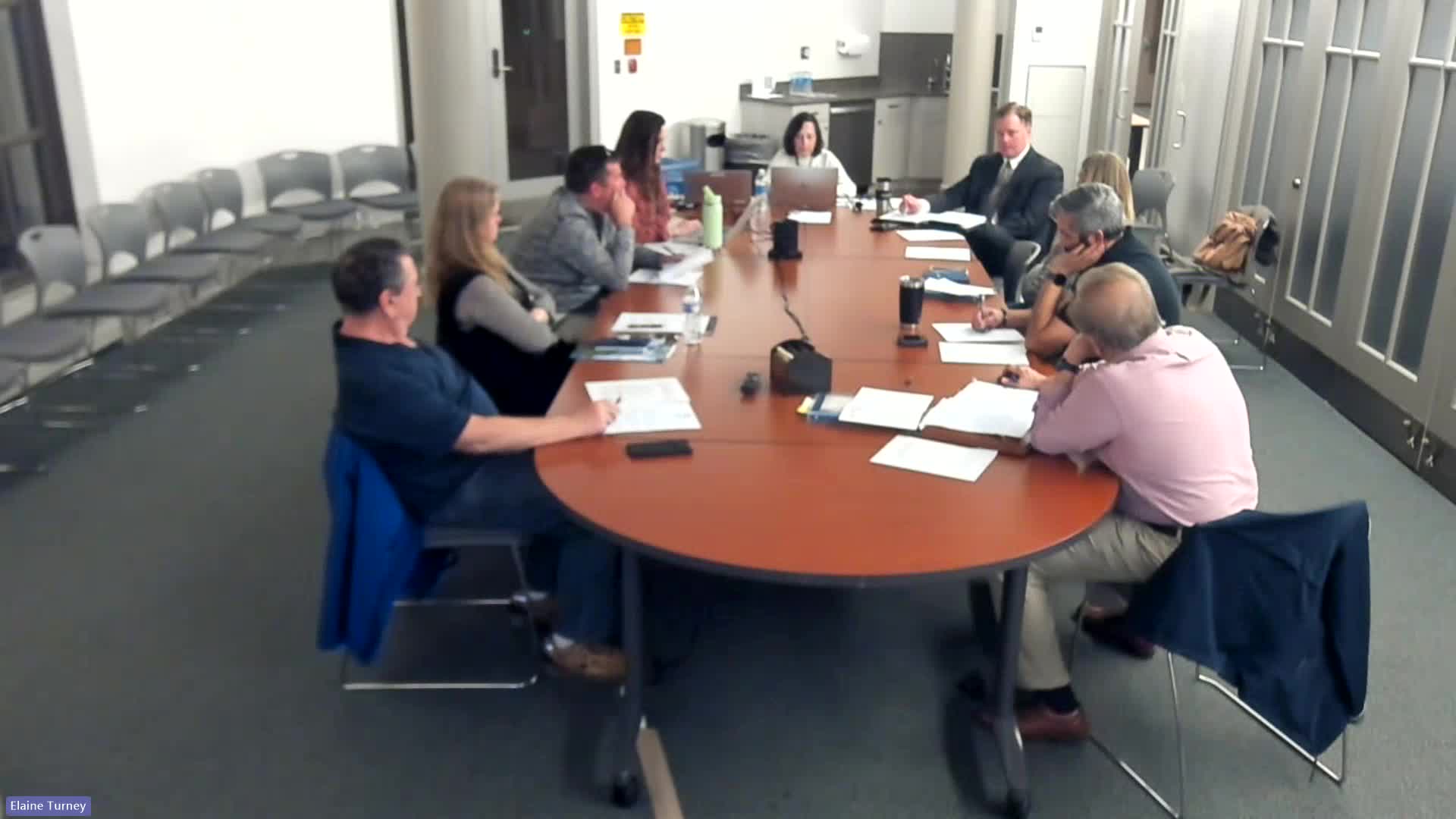
At its March 5 meeting, the Leesburg Economic Development Commission sought answers from town staff about zoning proffers, permitting delays and the apparent shortage of land available for commercial development as several hotel and meeting-space proposals stalled.
Commissioners said proffers and long review cycles have narrowed what uses remain available on some commercially zoned parcels and leave prospective tenants and developers uncertain about whether projects can proceed. “We do not have much commercial left. We don't,” Russell Seymour, town staff, told commissioners as he outlined current projects and constraints.
The commission pressed staff for concrete steps the town can take to reduce repetitive review cycles and make expectations clear to developers. “If what is submitted meets all the criteria, it could move forward,” Seymour said, describing a one-pass expectation the commission wants to see enforced. He said he has asked Jamie David, the community development director, to brief the commission at its next meeting on zoning “roadmaps” and related implementation questions.
Commissioners cited several long-running cases where an earlier application left many uses proffered away by prior owners, then a buyer sought a different use years later and confronted a costly reapproval process. Seymour described examples where older proffers left only a single remaining commercial use on a site — a furniture store in one case, a car dealership in another — and said owners who want to change course now face a prolonged rezoning or site-plan process.
The commission also discussed a prospective hotel in the Compass Creek area from the Loudoun Hospitality Group. Seymour said the proposal is for a smaller, limited-service hotel and that town leaders had sought a minimum amount of meeting space; he said the developer is also active elsewhere in Loudoun County with a larger, full‑service hotel. Commissioners raised concern that lack of adequate meeting facilities or full‑service hotels in and around Leesburg is knocking business — especially conferences and wedding groups — farther toward Arlington and northern Virginia.
Several commissioners argued that the town’s approval process should be predictable and that staff should coordinate to avoid multiple rounds of comments from different reviewers. Seymour said the governor's office is encouraging shorter statutory review timelines and that the town is evaluating ways to speed approvals for complete, compliant submissions. “A lot of it is trying to get it where they meet the set of comments and at the town the biggest thing is what is happening now,” he told the commission.
The commission asked staff to bring a clearer explanation of the zoning constraints that have led to proffers remaining on sites and to provide a map or inventory showing how much commercially zoned land remains available in town and which uses are currently proffered out. Commissioners said that information is necessary to help the EDC recommend priorities to the town council for retaining commercial capacity and attracting the kinds of development the town wants.
Commissioners also discussed how mixed‑use projects often default to residential first, which they said can make later commercial or office components politically difficult after residents move in. They urged staff to pursue tools that encourage developers to build more commercial or mixed‑use product that actually yields leasable office, retail or meeting space.
The commission scheduled a briefing from the community development director for its next meeting and asked staff to prepare documentation on outstanding projects, remaining commercial parcels and the town’s expedited-review options.
Votes at a glance from the March 5 meeting: the commission adopted the meeting agenda and approved the Feb. 5 minutes; the meeting was adjourned by voice vote.