Get Full Government Meeting Transcripts, Videos, & Alerts Forever!
Get email alerts on the Tourism topic
No spam. Unsubscribe anytime.
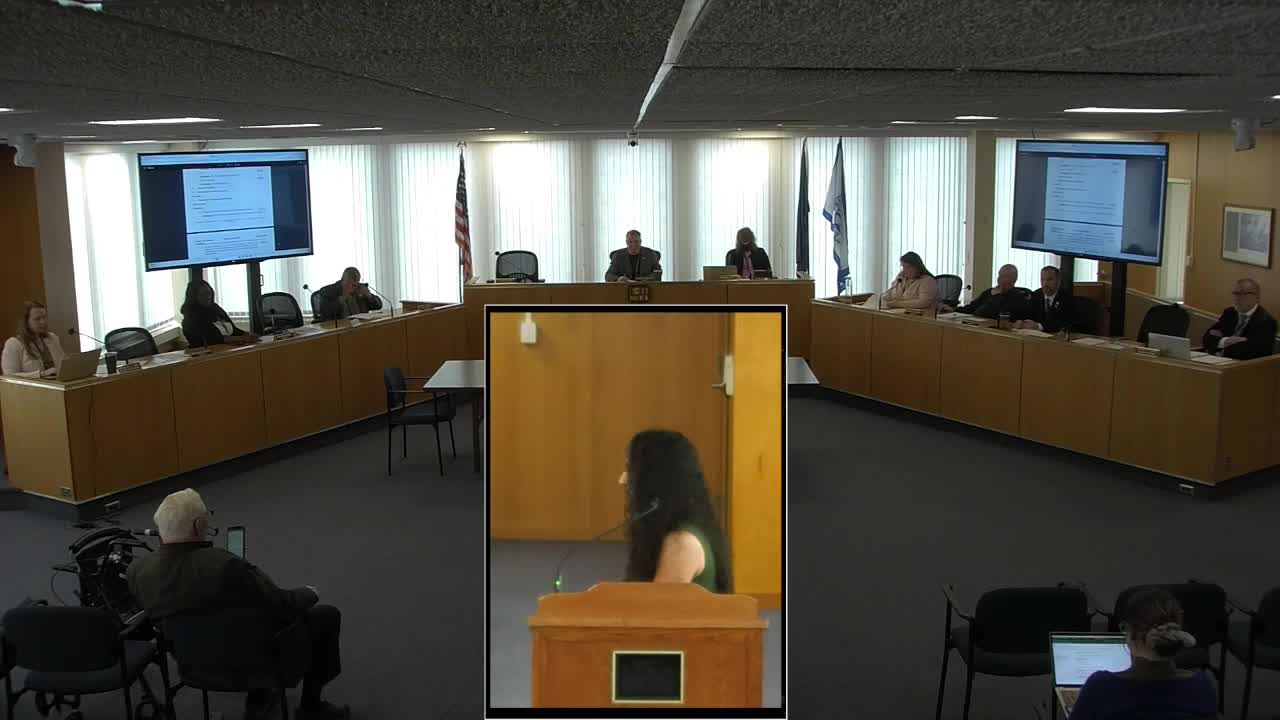
Sullivan County committee debates tourism enhancement grant program; proposes tiered awards and SCVA administration with audit oversight
Summary
Committee members discussed a proposed tourism enhancement grant program that would create tiered awards, increase applicant match requirements, and delegate disbursement to the Sullivan County Visitors Association with county audit advisory involvement; the item will return to the executive committee for final language and a resolution.
Sullivan County legislators and staff discussed a proposed tourism enhancement grant program and agreed to refine language on award tiers, reporting, and administration before sending the item back to the executive committee.
Committee members proposed a tiered grant structure to restore access for smaller events that previously benefited from $5,000 awards, while preserving larger awards for major events. One legislator suggested a lower tier (around $5,000), a mid tier (roughly $10,000–$25,000) and a top tier for larger events; the specific dollar bands were left for staff to refine.
Staff and several legislators recommended increasing the applicant match requirement from 20% to about 33%–35% for larger awards so recipients demonstrate financial commitment. They also discussed reducing administrative burden for smaller awards and tailoring reporting requirements so the documentation workload is proportional to grant size.
The committee discussed using the Sullivan County Visitors Association (SCVA) to disburse funds with two caveats: (1) the county's audit office would act in an advisory role to set reporting templates and avoid past audit recommendations recurring, and (2) the county would maintain control over how much money is released and require that grant requests be presented individually rather than as a bulk transfer. One committee member said the county could achieve these changes by resolution and contract modification or through a memorandum of agreement with the nonprofit.
Members debated committee composition for grant reviews and conflict‑of‑interest rules. Some favored a review panel with legislators and industry professionals (including the chamber or a chamber foundation) so local needs are represented; others said the panel should include staff with no political ties to reduce perceived conflicts. Staff proposed audit and OMB oversight during implementation.
Committee leaders said they will rework the draft to incorporate a tiered award approach, revised match requirements, and clearer reporting guidance and will return the item to the executive committee for final action. The committee asked staff to consult with the SCVA, chamber representatives and the county auditor in drafting the revised language.
Public comment touched on related issues: a resident urged favoring multiple smaller grants rather than a single large award and recommended broader enforcement of room tax collection to preserve bed‑tax revenue; another commenter urged that any external contractor or nonprofit selected to promote tourism should be chosen by a transparent process (for example, an RFP).