Get Full Government Meeting Transcripts, Videos, & Alerts Forever!
Get email alerts on the Pardon Power Constitutional Amendment topic
No spam. Unsubscribe anytime.
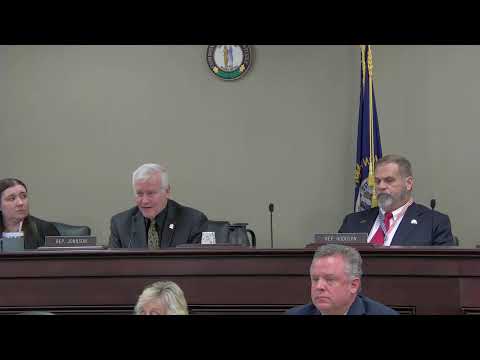
Senate bill 126 constitutional amendment debated in committee; sponsors say vote deferred until next year
Summary
Senator Chris McDaniel presented a constitutional amendment proposal that would restrict the governor's pardoning power to a period ending 60 days before an election and the interval between the election and the governor-elect's swearing-in. The committee held discussion only; a vote was deferred to next session.
Senate Bill 126, a proposed constitutional amendment to limit the timing of gubernatorial pardons, was the subject of an extended discussion in the Constitutional Amendments and Intergovernmental Affairs Committee. The committee held the measure for discussion only and did not take a vote; members indicated they expect to consider the amendment next legislative session.
Sponsor Senator Chris McDaniel, R-23rd, told the committee he brought the proposal after reviewing high-profile pardons and commutations in recent years. McDaniel described his amendment as a time limitation on gubernatorial pardon power: “Section 77 and 2 40 of the Commonwealth's Constitution grant the power to pardon specifically to the governor,” he said, and his proposal would limit that power to exclude the 60 days immediately before an election while permitting pardons in the period between the election and the swearing-in.
McDaniel reviewed examples he said illustrated the risks of unfettered pardons, citing pardons and commutations by former Governor Matt Bevin and federal clemency actions that prompted public controversy. He said the amendment would not eliminate pardon power but would require that pardons not be issued in the immediate pre-election period so the electorate can weigh those actions.
Representative Lachen told the committee he supported the concept and said broader public concerns about unilateral pardon power make the measure timely. He asked where the 60‑day number came from; McDaniel said he originally proposed 30 days but extended it to 60 to account for earlier voting and to allow time for information to disseminate to the electorate.
McDaniel said the proposal has received support from the Fraternal Order of Police, prosecutors, sheriffs and chiefs of police. He read portions of victim testimony submitted to the committee and said the amendment was prompted by cases where pardons or commutations affected people convicted of violent crimes.
Committee leadership and members thanked the sponsor and reiterated that the panel will wait until the next session to consider constitutional amendments formally, noting the committee’s practice of deferring votes on constitutional changes until the next year. The senator said he expects to return next year for a formal vote.
No committee vote occurred on the amendment during this meeting; the item was explicitly treated as “discussion only” and scheduled for consideration in the next legislative session.