Get Full Government Meeting Transcripts, Videos, & Alerts Forever!
Get email alerts on the Benefits Processing topic
No spam. Unsubscribe anytime.
Advocates say SNAP, TANF and Medicaid processing errors and DCAS glitches are leaving seniors and families without benefits
Summary
Legal advocates and clients told the Committee on Human Services that repeated incorrect or contradictory notices, long processing delays and problems with District Direct/DCAS are causing wrongful terminations and lengthy benefit gaps for SNAP, TANF and Medicaid recipients; they urged improved notices, staffing, and an ombudsperson office.
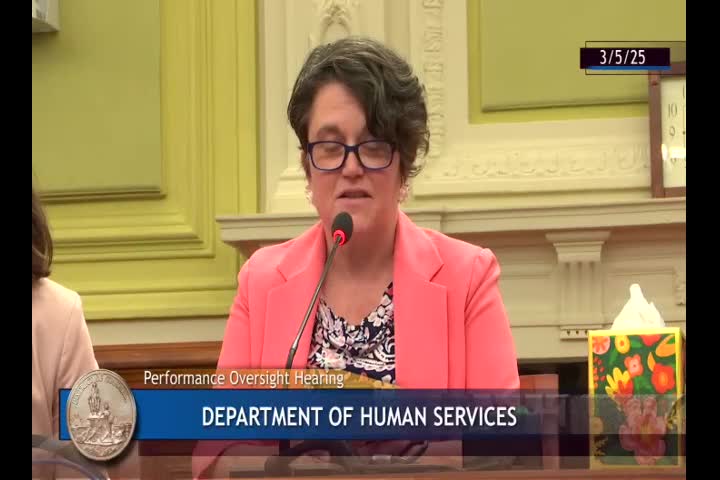
Legal advocates who represent aging residents and low-income families testified March 5 that process and technology failures at the Department of Human Services have caused frequent errors, improper benefit terminations and long delays in SNAP, TANF and Medicaid processing.
Legal Counsel for the Elderly, Margaret Snow at DC Hunger Solutions and clinic attorneys described a pattern of confusing or contradictory agency notices, lost paper applications and an unusually high CAPER (case and procedural error rate) that has left clients without food or medical coverage for months.
“In FY23 D.C. ranked last among states for timely SNAP processing; many clients must wait longer than the guaranteed 30 days for a decision,” said Margaret Snow, citing agency timeliness data and urging the council to fund staffing and training to reduce inaccurate document requests and processing delays.
Attorneys from Legal Counsel for the Elderly and the medical-legal partnership at Georgetown described seniors who lost SNAP or Medicaid benefits after submitting required forms: one client saw five contradictory notices dated the same day and spent eight months, with legal help, to restore benefits. “Even a slight delay in benefits can have dire repercussions,” said Emily Ford of Legal Counsel for the Elderly, citing cases where delayed Medicaid created dangerous health outcomes.
Witnesses recommended a set of reforms: clearer, consistent notices; improved phone-tree language and call-center interpretation procedures; full staffing for eligibility determination; an ombudsperson or independent office to resolve problems quickly and spot systemic issues; and increased funding and oversight to bring processing time within statutory limits.
Ending
Advocates asked the committee to press DHS to publish timeliness metrics, correct systemic sources of DCAS and District Direct errors, and to authorize an independent ombudsperson office to resolve benefit disputes before appeals become necessary.