Get Full Government Meeting Transcripts, Videos, & Alerts Forever!
Get email alerts on the Emergency Medical Services topic
No spam. Unsubscribe anytime.
Prehospital working group seeks data, RFP and cross-agency review of 911 and emergency medical dispatch
Summary
Council members and the city's prehospital working group reported on efforts to commission a third-party review, improve data access and consider operational changes to 9-1-1, EMS and fire/medical dispatch; the group plans an RFP for outside analysis funded at $150,000.
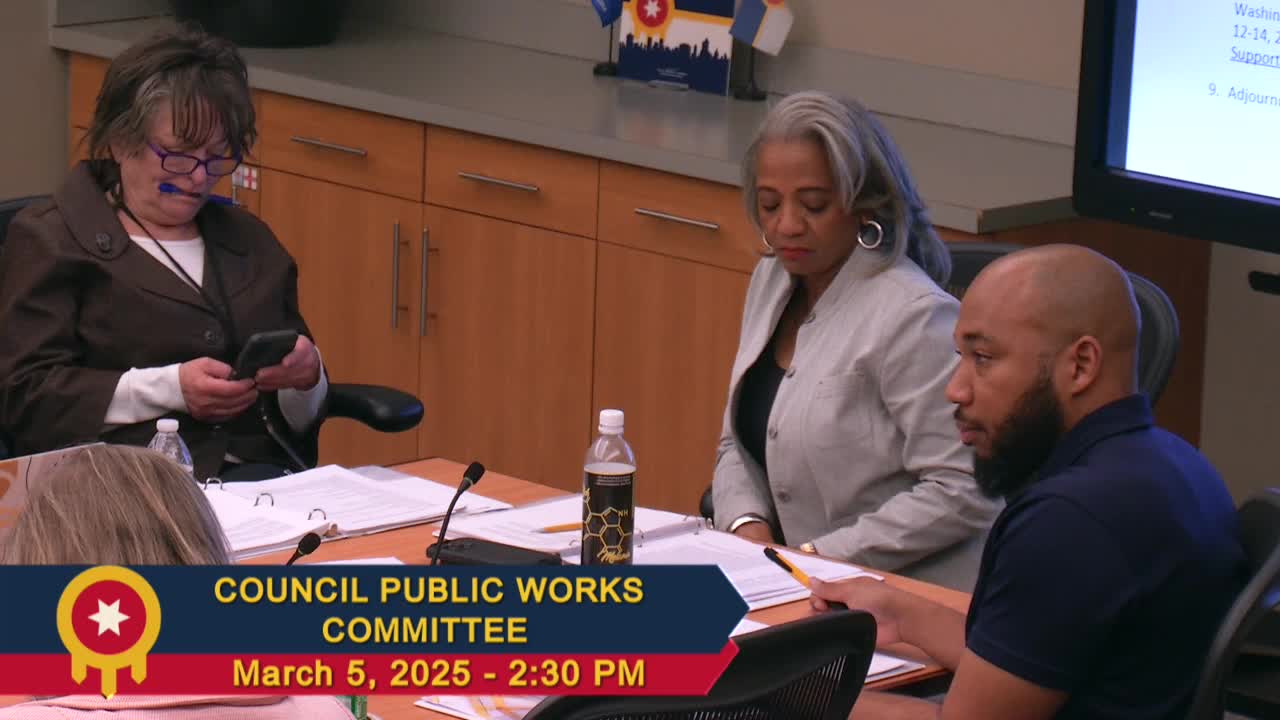
The Tulsa City Council’s prehospital community-health working group updated the council on efforts to study and improve the city's prehospital emergency-response ecosystem, including call taking, dispatch, alternate-response units and data access.
The working-group presenter explained the group's scope: "Prehospitalization community health care is basically everything that happens from the time somebody calls 911 to the time they get a response as it pertains to mental health and medical needs," the presenter said. The group was convened in February 2023 to engage the public and stakeholders and to review system performance after council changes to the EMSA trust indenture. The working group includes council members, commissioner Roberts, fire-department leadership and invited representatives from MSO, Tulsa 911, EMSA and others.
Accomplishments and planned analysis: the group secured a budget request of $150,000 in FY24 to hire an outside consultant to evaluate the prehospital system and support public engagement. The presenter said the working group will split the funding roughly into $50,000 for initial public and stakeholder engagement and reserve the remainder for implementation analysis and follow-up. The request-for-proposals (RFP) scope will look at the citizen experience, call-data analysis and cross-agency coordination.
Data access and legal constraints: councilors raised that some historical data sets have been hard to obtain. The presenter and Commissioner Roberts said partners have committed to share deidentified and aggregate data where legally permissible; the RFP consultant will be given access to the datasets needed for analysis to the extent partners and HIPAA/privacy rules allow. The working group said the consultant's role is to move the work from anecdote to data-driven findings and recommendations.
Operational topics and standards: the group discussed national-dispatch guidance and firefighter concerns about compliance with NFPA standards (1221 and 1225 were cited) for call handling and dispatch. Council members discussed whether 9-1-1 should be housed in a single department or operated as a neutral public-safety answering point, and noted that models vary across cities. Commissioner Roberts said conversations among police, fire, 911 leadership and EMSA have been productive and that incremental operational improvements are already underway alongside the RFP process.
Other items: the working group also pursued budget positions to support call-center performance management and fire training coordination, and considered piloting technology such as the GoodSAM app used by other cities to aid community responders.
Councilors emphasized the guiding principle that the system should provide the right response, with the right resources and people, at the right time. No formal council action was taken at this briefing; the group is preparing the RFP and working with partners on data access and operational coordination.