Get Full Government Meeting Transcripts, Videos, & Alerts Forever!
Get email alerts on the Payment Fraud And Legal Gaps topic
No spam. Unsubscribe anytime.
Consumer law expert: state updates needed as banks, wires and crypto leave victims with little recourse
Summary
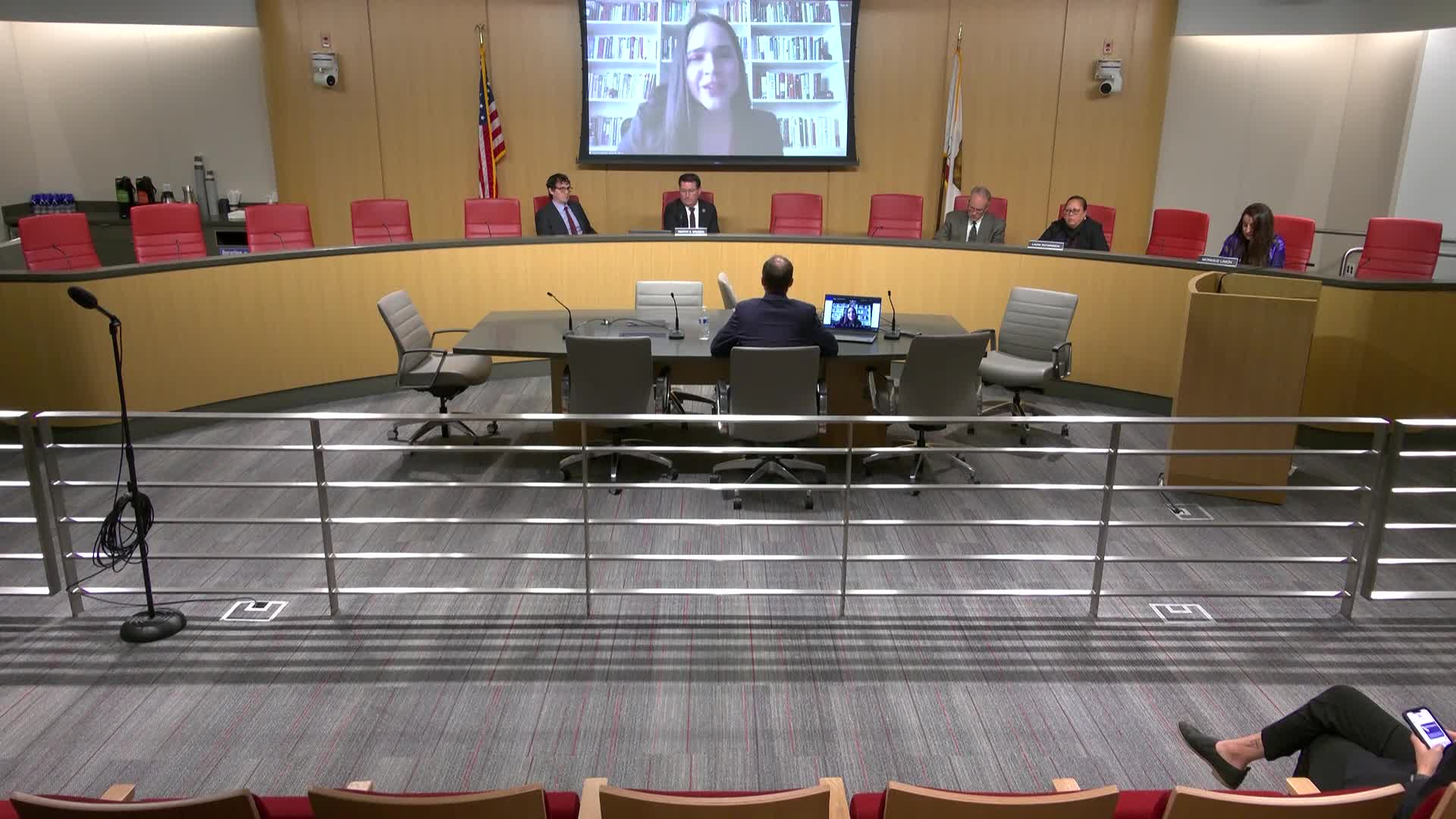
Carla Sanchez Adams of the National Consumer Law Center told a California Senate committee that federal protections cover some payment methods but not bank wires, many crypto payments or fraudulently induced transfers; she urged state action to modernize laws and require greater responsibility from receiving institutions.
Carla Sanchez Adams of the National Consumer Law Center told the Senate committee that payment fraud falls into two legal buckets—unauthorized transfers, which federal law can sometimes protect, and fraudulently induced transfers, where the victim was tricked into making the payment.
"Payment fraud can be sorted into two buckets, unauthorized and fraudulently induced," Sanchez Adams said. She explained that protections under the Electronic Fund Transfer Act and the Truth in Lending Act help victims of unauthorized electronic transfers and credit‑card fraud, but do not reliably cover bank‑to‑bank wire transfers, altered checks or cryptocurrency payments where state law and account agreements leave victims with weaker remedies.
Sanchez Adams told the committee that California’s adoption of the Uniform Commercial Code (UCC) currently allows liability to be pushed onto victims if banks relied on a "commercially reasonable" security procedure in account agreements, leaving victims to pursue costly litigation. She also cited practical limits on cancelling wire transfers and pointed to the difficulty of recovering funds sent to crypto accounts.
Her recommendations included updating antiquated rules in the UCC to reflect modern, faster payment systems; requiring receiving institutions to bear more responsibility when they allow fraudsters to open accounts and receive fraudulent payments; improving protections so victims’ accounts are not frozen or closed when they report fraud; and gathering state‑level data from regulated entities on the prevalence of fraud and how disputes are resolved.
Sanchez Adams urged state action in the current policy vacuum and said many victims are left with no practical remedy. "If the payment method utilized to perpetrate the fraud is an unauthorized bank to bank wire transfer, a fraud victim's bank will often notify the victim they're still responsible for the fraudulent payment," she said.