
Kansas home‑visiting providers outline services, reach and outcomes for families
Get AI-powered insights, summaries, and transcripts
Sign Up Free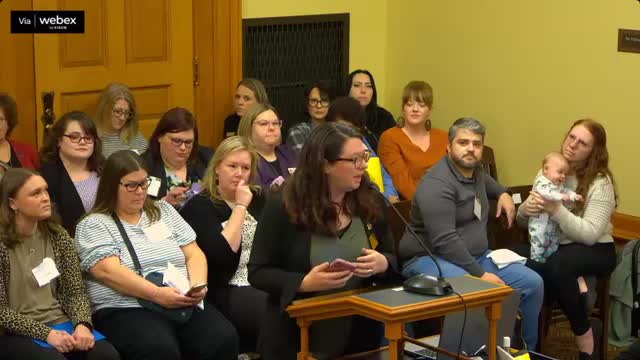
Summary
Representatives of Early Head Start, Healthy Families, Part C infant‑toddler services, Nurse‑Family Partnership, MCH universal home visiting and Parents as Teachers presented program models, reach and outcomes to the Kansas Early Learning Caucus, highlighting referrals from WIC, rural service gaps and measures of return on investment.
Representatives of Kansas home‑visiting programs told members of the Kansas Early Learning Caucus that their services reach families across the state, connect parents with health and social supports and show evidence of positive child and family outcomes.
At an advocacy day presentation, Heather Schroetberger, executive director of the Kansas Head Start Association, said Early Head Start home visitors provide weekly 90‑minute home visits to pregnant people and children under 3, connect families to health and early‑intervention services, and made nearly 74,000 home visits in fiscal year 2024. Schroetberger said Early Head Start uses income‑based eligibility for families facing economic or social challenges.
The session brought concise descriptions of multiple nationally recognized models and local delivery partners and included questions from lawmakers and community members about referral routes, geographic gaps and funding.
Kansas Children's Service League Director Kelly Hayes described the Healthy Families model as an evidence‑based, relationship‑focused program that serves 44 counties through 13 program sites in 12 cities. Hayes reported program outcomes her organization tracks: 96% of families kept children at home (avoiding out‑of‑home placements), 93% of parents improved parent‑child interactions and 92% of families reported improved quality of life. Hayes read a participant comment: “KCSL is so amazing. We've been in the program for a year and it has done so much for us... helped get my kids on insurance.”
On Part C early intervention, Kelly France Langford of Infant Toddler Services of Kansas said the state has 29 Part C programs serving all 105 counties through about 400 licensed early intervention professionals (physical therapists, occupational therapists and early childhood special education teachers). She said the program serves more than 11,000 infants and toddlers a year and enrolls children who meet criteria such as a 25% delay in one developmental domain or an established medical risk. Langford said 36.5% of children who participated in Part C did not need further special education services at age 3 and that national analyses typically report a $12–$17 return on investment per dollar for early intervention services.
Arianna Atkinson, team leader for the Nurse‑Family Partnership at the Shawnee County Health Department, summarized eligibility requirements for that model: first‑time parents enrolled by roughly the 28th week of pregnancy and families at or below roughly 200% of the federal poverty level; services run through the child's second birthday and focus on maternal and child health, parenting and family self‑sufficiency.
Holly Fry, a home visiting program consultant at the Kansas Department of Health and Environment, described the MCH Universal Home Visiting model, which aims to reach expecting parents through one year postpartum with screening and education. Fry said visits are usually brief (about an hour) and often occur one to two times prenatally and again postpartum; when appropriate, universal home visitors connect families to more intensive programs such as Part C or Nurse‑Family Partnership.
Hillary Kane, executive director of the Kansas Parents as Teachers Association, described the Parents as Teachers model and reported statewide numbers: 62 affiliate programs, 5,847 families served last year, 7,912 children served and 54,572 personal visits statewide. Kane said visit frequency is family‑driven and can range from multiple visits per week to monthly check‑ins. She also noted that Parents as Teachers receives referrals and funding through school district affiliates and other partners.
Speakers and legislators asked practical questions about referrals and service gaps. Multiple presenters identified WIC offices as a frequent and effective referral source; Arianna Atkinson and Holly Fry said many referrals come through WIC or hospital partnerships. Presenters acknowledged gaps in rural “home visiting deserts” and staffing shortages in some programs; staff said state leadership teams and interagency partnerships are working to identify unmet needs and target resources.
Two participants offered personal testimony about program impact. Elizabeth Rogers, a former Healthy Families participant, described receiving safety planning, help with medical advocacy and support that she said enabled her to return to school and later work in health care; she told the caucus, “The home visits I received during one of the hardest periods of my life didn't just help me survive, they helped me to thrive.” Jennifer Whiteford Halk, a home visitor in the PAOLA Parents as Teachers Consortium, described home visits with families facing addiction, homelessness and other challenges and said home visiting can be “one of our most impactful community assets, especially in rural communities.”
Presenters named funding sources and cross‑agency partners discussed during the session, including the maternal and child health block grant, the Kansas Children's Cabinet and Trust Fund, the Family First Prevention Services Act (FFPSA) through the Department for Children and Families (DCF), and local programs such as WIC and school districts. Panelists also referenced research on language development since the pandemic and noted telehealth was used in some circumstances but that in‑home visits are favored for real‑time coaching and "action practice."
Organizers closed by inviting lawmakers and attendees to a final early learning caucus the following week focused on child care workforce studies. Emily (role not specified in the transcript) noted Senator Schmidt had left contact cards available for attendees.
While no formal votes or legislative actions were recorded during the presentation, presenters and participants requested continued attention to referral pathways, rural access and staffing to expand families' access to home visiting and early intervention services.