Get Full Government Meeting Transcripts, Videos, & Alerts Forever!
Get email alerts on the Rural Nursing Home Funding topic
No spam. Unsubscribe anytime.
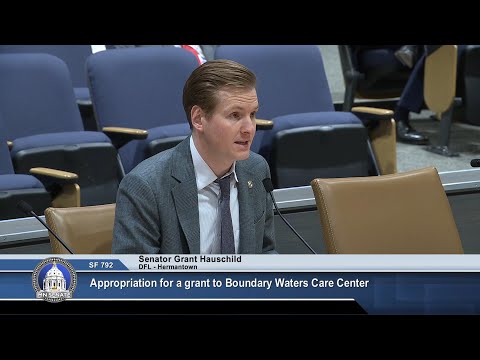
Senators hear plea to stabilize rural Boundary Waters Care Center; appropriation request laid over
Summary
Boundary Waters Care Center in Ely, a 42‑bed critical access nursing facility, asked the Senate Human Services Committee for a $250,000 appropriation to stabilize operations and capital needs; committee laid the request over for further review and discussed referral to finance.
Boundary Waters Care Center, a 42‑bed skilled nursing facility in Ely, told the Senate Human Services Committee on March 5 that it needs state assistance to remain viable amid revenue pressures and rising costs.
Senator Housechild‑introduced testimony from Adam Maslowski, the facility’s administrator, described the center as one of the only independent nonprofit nursing homes in the state without corporate backing. Maslowski said the center is licensed for 42 beds and is the closest skilled nursing facility for communities more than 50 miles away. He asked the committee to reconsider the facility’s 2023 appropriation request and to fund a $250,000 appropriation originally requested in 2023.
Maslowski told senators the expiration of a $12.35 per patient day rate add‑on at the end of 2024 reduced Boundary Waters’ revenue by approximately $125,000, and that participation in the Critical Access Nursing Funding (CANF) program provides roughly $400,000 per year on average but that the CANF designation ends June 30 and must be reapplied for without guarantee. He said proposed nursing home worker wage increases could cost the facility between about $200,000 and $400,000 depending on union wage scales, and that a combination of adverse funding actions could create a swing in revenue and expenses of more than $900,000.
Other pressures cited included transportation costs for residents who must travel two hours to Duluth for surgeries, county delays in processing Medicaid applications (sometimes up to six months), reliance on agency staffing and an aging 60‑year‑old building that needs infrastructure upgrades — Maslowski cited a water‑main replacement quote of $355,000.
Committee response and disposition: Senators emphasized the broader problem for rural nursing homes and discussed the interaction of governor’s budget proposals and workforce standards. Committee members asked DHS budget staff whether proposed workforce standards are funded in the governor’s budget; DHS budget director Elise Bailey said the minimum wage standard analysis was included in the governor’s budget while the holiday‑pay analysis showed costs already within forecast. After discussion of funding options and the political context for rural facilities, the committee laid the appropriation request over for possible inclusion and discussed next steps including referral to finance for further review.