Get Full Government Meeting Transcripts, Videos, & Alerts Forever!
Get email alerts on the Fire Department Budget And Operations topic
No spam. Unsubscribe anytime.
Cathedral City fire chief outlines plan to boost ambulance revenue, add medic unit and shore up staffing
Summary
Fire Chief Contreras told the Cathedral City City Council that the department's multi-year strategic plan aims to increase ambulance billing, add a fourth medic unit, pursue accreditation and update fees last reviewed in 2012 to reduce pressure on the general fund.
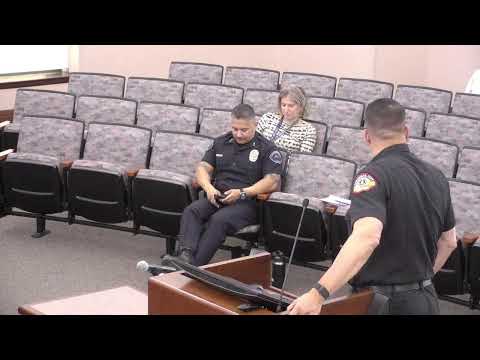
Fire Chief Contreras told the Cathedral City City Council during a budget update that the fire department’s multi-year strategic plan is focused on increasing ambulance revenue, improving response capacity and addressing staffing and equipment shortfalls.
Contreras said the department has improved insurance capture and billing practices and “was able to increase our ambulance billing just by 20%” after changing how insurance information was submitted, and that the city is poised for additional revenue increases if fee levels are updated. “We are the cheapest ambulance transport in Southern California,” Contreras said, describing a gap between local charges and Medicare and insurer reimbursement levels.
The discussion came as staff reported the city’s ambulance transport fees have not been reviewed since 2012. A city staff member identified as Charlie told the council that the finance department and a consultant have begun collecting departmental fee data and that the fee study is “actively in process” with departments expected to return data to the consultant within about a week.
Why it matters: Council members and staff said undercharging for ambulance transport forces the general fund to subsidize emergency services and constrains the department’s ability to hire and equip personnel. Chief Contreras estimated the department could generate about $5 million in revenue from recent and projected improvements — “$5,000,000, if not more” — and suggested that raising recovery to Medicare-equivalent thresholds would increase that figure further.
Major elements of the plan
- New medic unit: The department is acquiring a fourth medic unit (referred to in the presentation as “Medic 4”) to improve ambulance availability and reduce the number of times all medic units are busy. Contreras said ambulances are queued for delivery and that the procurement timeline places delivery in mid-2026 (Chief: “May of 26”), and that the city maintains two reserve ambulances to bridge gaps until the new unit arrives.
- Staffing and recruitment: Contreras described hiring and retention as a top challenge, citing a national shortage of qualified firefighters and paramedics and competition from other departments. He said the department has added ambulance operators and paramedic staff over the last two years but still faces constraints from training timelines and conditional hiring windows; new hires may take 45 days after conditional job offers before they are on the floor.
- Billing and fees: Staff reported that better capture of insurance cards and follow-up has increased net collections and that the city’s ambulance charge rates remain lower than Medicare and some regional providers. Contreras said the department’s current average charge levels can be below payer thresholds (he gave example mid-12-dollar figures vs. higher Medicare targets) and urged adjusting fees to reflect actual costs and additional billable services (EKG, oxygen, mileage, first-responder fees where permitted). The city’s fee study will include fire department fees and is being coordinated by finance with departmental input.
- Accreditation, training and operations: The department is pursuing EMS best practices and accreditation standards and has added a deputy chief and a fire marshal position to strengthen plan review, prevention and quality assurance. Contreras said the department is about halfway through updating the emergency operations plan and local hazard mitigation plan and is reviewing EOC (emergency operations center) hardware and software needs.
- Fleet, maintenance and technology: The department contracts major repairs to an outside vendor (a Corona-based fleet firm) and has begun routine fleet maintenance as part of a formal program. Contreras described real-time dispatch dashboards and “heat maps” used to place apparatus where call density is highest and said new systems let staff see units on a map to send the closest resource.
- Community programs: Contreras highlighted prevention and outreach such as fall-prevention classes (partnered with Desert Regional/Desert Hospital), car-seat safety events funded by an OTS grant (the department plans to distribute about 30 car seats), CPR training (American Heart Association certification offered for a nominal fee) and youth fire-setter intervention through schools.
Council response and next steps
Multiple council members pressed staff on timing for the fee study and on the net impact to the general fund. Charlie said the fee study is underway and that departmental data is being returned to the consultant on a short timetable; staff did not give a firm completion date. Council members noted the trade-off between keeping transport charges low for residents and ensuring the department recovers sufficient revenue to fund personnel and equipment.
Contreras said the department’s revenue outlook and added resources should begin to show measurable improvements over one to three years as more data becomes available and new units and staff enter service. He said the department will return with more budget details during the regular budget process and referenced upcoming coordination with public safety dispatch and firefighter paramedic hiring to meet a July 1 implementation target for certain initiatives.
The update concluded with council direction to continue the fee study work and return to the council with the completed departmental fee recommendations during the budget process.