Get Full Government Meeting Transcripts, Videos, & Alerts Forever!
Get email alerts on the Law Enforcement Oversight topic
No spam. Unsubscribe anytime.
Bill would standardize peace-officer oaths and limit prosecution for minor oath violations, sponsor says
Summary
Representative Devin Seabaugh presented House Bill 384, a substitute to standardize oaths taken by peace officers across Georgia and to limit criminal liability for oath violations to serious offenses, according to supporters.
Representative Devin Seabaugh and supporters presented House Bill 384, a substitute that would standardize the oath of office for peace officers across Georgia and make clear that aspirational language in those oaths is nonbinding. The substitute also would limit prosecution for violation of an oath to instances where the conduct rises to a felony or a high-and-aggravated-misdemeanor level.
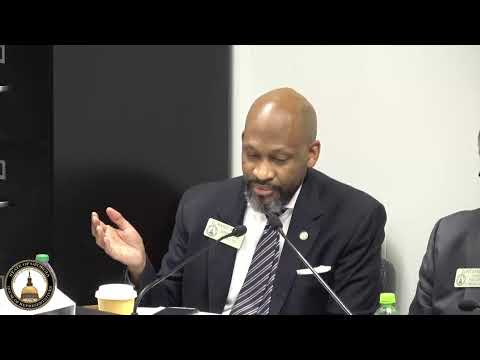
Supporters told the committee the bill brings administrative clarity and protects law enforcement agencies from a diversity of nonuniform oath language that could be used to pursue minor or technical charges. Lance LaRusso, speaking for supporters, said the bill emphasizes fairness, impartiality and dedication to the public while keeping aspirational language from being treated as punishable criminal conduct.
Why it matters: Backers said the change would streamline administration and reduce the risk of legal challenges based on informal or aspirational oath wording. The bill would not alter substantive misconduct statutes or accountability mechanisms for serious offenses, supporters said.
Questions and next steps: Committee members asked whether changing the oath would make unethical people less likely to behave ethically; sponsors replied that standardization does not change who serves but clarifies which oath provisions could support criminal prosecution. The committee took no final vote at this hearing.