Get Full Government Meeting Transcripts, Videos, & Alerts Forever!
Get email alerts on the Full Service Community Schools topic
No spam. Unsubscribe anytime.
Senate file 2007 would restore and expand full‑service community schools funding to $19 million; committee adopts technical amendment and lays bill over
Summary
Senate file 2007 (A1) would reverse a funding reduction and expand the full‑service community schools appropriation to $19 million per year to sustain about 60 sites across Minnesota; the committee adopted an author's technical A1 amendment and laid the bill over for possible inclusion.
Senate file 2007, presented March 5, would increase state funding for full‑service community schools and clarify program priorities and leadership council flexibility.
Senator Umu Verbatin (author) said the bill prevents a scheduled reduction in full‑service community schools funding (from $7.5 million down to $5 million) and expands the appropriation to $19 million per year to meet demand across the state. "It stops the reduction...and expands it to 19,000,000 per year to meet the demand across Minnesota and that would sustain approximately 60 sites over 2 years," the author said, noting the change also clarifies prioritization criteria and removes overly prescriptive language on leadership councils so sites can reflect local needs.
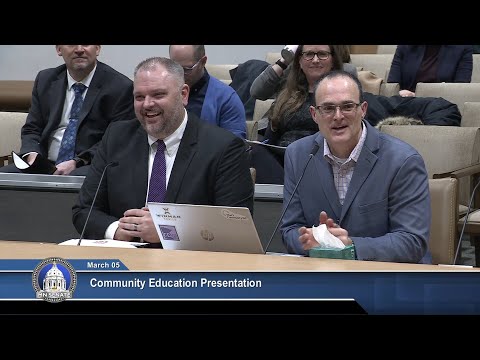
Multiple testifiers described how the model operates and outcomes. Jennifer Stefan, elementary principal at King Elementary in Deer River (testifying remotely), said a full‑service coordinator and team had improved attendance, reduced chronic absenteeism and helped families access health care and food assistance in a district that spans a large rural geography. "With our full service community school staff, we are able to remove some of those responsibilities from teachers' plates so they can focus on instruction," Stefan said.
Brooklyn Center parent Danielle Hatcher and Columbia Heights principal Jason Coleman described expanded after‑school options, dental and mental‑health services, mentoring and family engagement activities that they said increased student belonging, attendance and access to health care. Saint Paul teacher Becky Strommen said the model allowed her to focus on instruction because the coordinator addressed barriers such as food access, housing instability and mental‑health screening.
Committee members considered an A1 author’s amendment for technical changes recommended by counsel to clarify eligible funding and MDE coordination. The committee adopted the A1 amendment by voice vote; Senator Verbatin then moved SF2007 as amended. Senator Swadzinski indicated the bill was sufficiently heard and the committee laid SF2007, as amended, over for possible inclusion.
Why this matters: Proponents said full‑service community schools integrate academic, family and health supports at the school site and that increased, stable funding would allow more districts to embed coordinators and partnerships proven to reduce barriers to learning.
Ending: With the A1 amendment adopted, SF2007 was laid over for possible inclusion; staff and advocates will continue to refine program definitions and prioritization language.