Get Full Government Meeting Transcripts, Videos, & Alerts Forever!
Get email alerts on the Transportation Policy topic
No spam. Unsubscribe anytime.
Wake Forest commissioner urges town letter opposing bills to raise truck weight limits
Summary
A Wake Forest commissioner reported a request from the Coalition Against Bigger Trucks and asked the board if there was any objection to sending a letter opposing three federal bills that would raise commercial truck weight limits; commissioners raised no objection during the meeting.
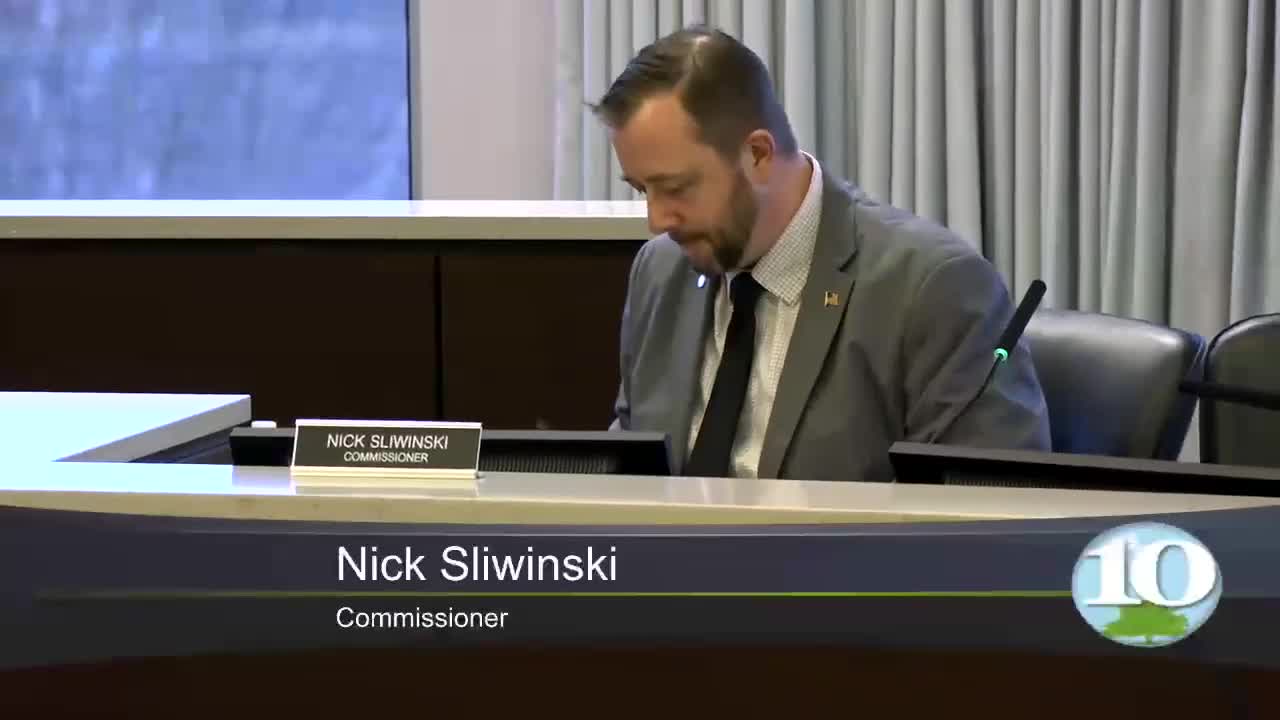
During commissioner reports, a Wake Forest commissioner said the town received a request from the Coalition Against Bigger Trucks and asked the board to send a letter opposing three federal bills that would increase commercial truck weight limits.
The commissioner summarized the bills: one proposal would create a pilot allowing states to raise truck weights from 80,000 pounds to 91,000 pounds for up to 10 years; another would allow auto-hauler trucks to operate at 88,000 pounds; and a third would give governors authority to raise weights on interstate highways. The commissioner said the coalition is "a nonprofit coalition of local government, law enforcement, public works, and fire and EMS officials that opposes legislation to increase commercial truck size" and asked, "they're asking us to send a letter of opposition, and I just wanted to make sure, see if there was any objection to me sending a letter of opposition to that." No objection was voiced.
The same commissioner also reported related state and regional legislative activity: discussion of Senate Bill 382 and a filed local House Bill 225 intended to address downzoning concerns in Franklin County and Wake Forest; outreach to state lawmakers Matt Winslow and Mike Sheetselt; and conversations with the Metro Mayors Association about transportation planning and federal funding. The commissioner noted an offer from the Metro Mayors to provide classes on metropolitan transportation planning and summarized advice given at recent association meetings about engaging legislators and using the League of Municipalities as an advocacy resource.
The board did not take a formal recorded vote to authorize a mailing; the commissioner asked for objections and none were raised. The commissioner also encouraged colleagues to participate in the Metro Mayors Association class on metropolitan transportation planning.