Get Full Government Meeting Transcripts, Videos, & Alerts Forever!
Get email alerts on the Health And Provider Services topic
No spam. Unsubscribe anytime.
Lawmakers debate site‑neutral Medicaid payments and merger reporting; hospitals warn of unintended consequences
Summary
Senate Bill 370 would move Medicaid toward site‑neutral payments for outpatient services and require reporting on practice acquisitions; employers and administration officials supported parity and transparency, while hospitals warned that mandated changes could threaten smaller providers and urged caution. The bill was held for further drafting.
Senator Buck introduced Senate Bill 370, which would require site‑neutral Medicaid payments for certain outpatient services and add reporting requirements for hospital acquisitions of physician practices. The sponsor framed the measure as an effort to reduce what he described as unfair payment differentials that advantage hospital‑owned sites over independent provider offices and to increase transparency about consolidations.
Supporters included the Employers Forum of Indiana, which said site‑neutral payments can reduce costs for patients and payers, and the Department of Health and Family Services staff, who described the administration’s interest in evaluating whether site‑neutral standards could be extended to the commercial market. Audrey Arbogast, chief of staff to the health secretary, said the administration sees parity and merger transparency as priorities and wants to work with the legislature on practical implementation.
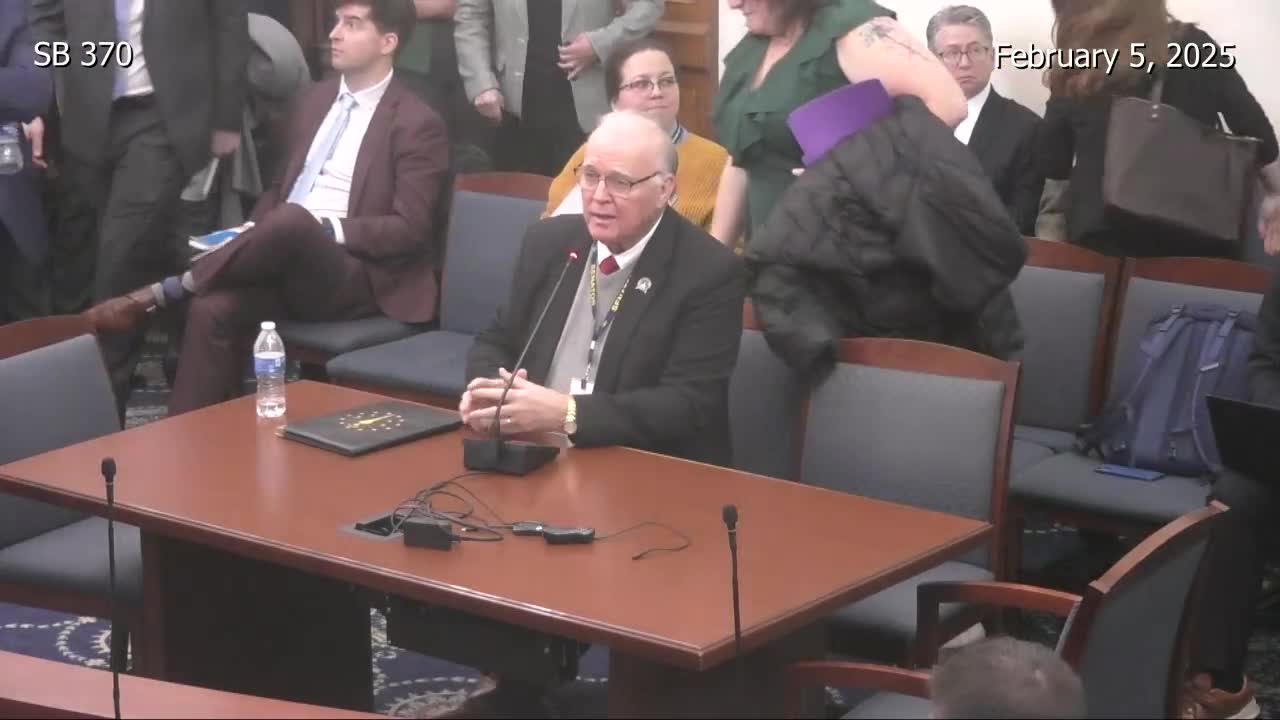
Hospital representatives cautioned that on‑the‑ground realities are complicated. Steve Long, CEO of Hancock Health, told the committee that Medicare and some insurers already set different rules for grandfathered hospital outpatient locations and that attempts to blunt site‑of‑service pricing without addressing broader drivers of cost could push rural hospitals and smaller hospitals into deeper financial stress. Long described a local diagnostic center the hospital opened that is operating at a loss because commercial payers negotiated rates below Medicare and below the hospital’s cost of care.
Committee members asked whether the bill raises or lowers rates in practice and whether attorney‑general review of practice acquisitions was the right tool. Supporters said the bill is intended to create parity and transparency, while hospitals warned a blunt application could shift patients or reduce service availability in rural areas. The panel held the bill for additional stakeholder work.
Why it matters: Payment parity and consolidation are central to broader debates about health‑care prices, competition and access. Proponents said site‑neutral rules can lower costs for payers and patients; opponents said rate changes and scrutiny of practice acquisitions must be tailored to avoid harming smaller providers and rural hospitals.
What comes next: The sponsor and stakeholders will refine language on payment methodology, reporting thresholds and any carve‑outs for small or rural hospitals, and the administration said it will study potential commercial‑market effects.