Get Full Government Meeting Transcripts, Videos, & Alerts Forever!
Get email alerts on the Health And Provider Services topic
No spam. Unsubscribe anytime.
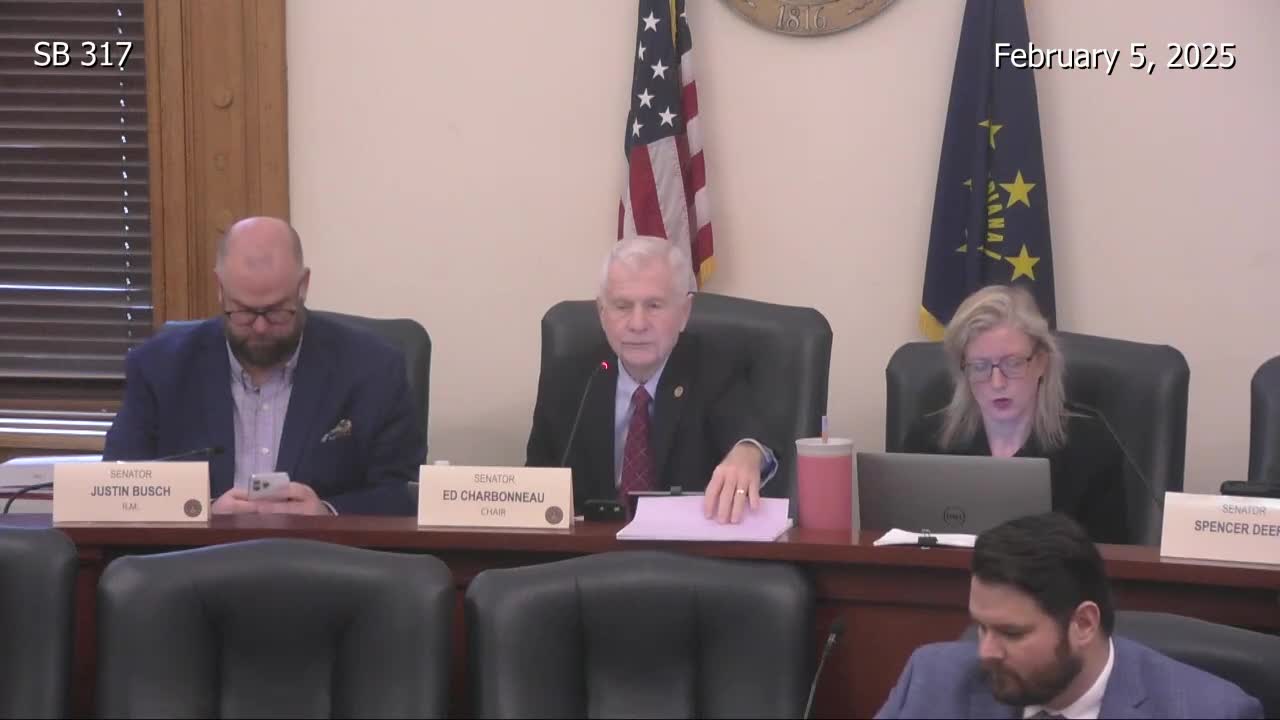
Committee hears broad medical‑debt reform bill; supporters press protections, collectors and hospitals raise concerns
Summary
Senate Bill 317 would restrict common collection practices for medical debt — including wage garnishment, bank‑account attachment and liens on primary residences — require hospitals to screen patients for charity care, and mandate extended payment plans; sponsors said the measure protects vulnerable Hoosiers, while hospital and collection groups urged narrower targeting.
Senator Kadura (sponsor) presented Senate Bill 317, a comprehensive bill aimed at reducing the burden of medical debt in Indiana. The sponsor told the committee that an estimated $2,000,000,000 of medical debt affects Hoosiers and described multiple policy changes in the draft: required hospital charity‑care screening and 24‑month payment plans, prohibitions on wage garnishment and bank‑account attachment for medical debt judgments, restrictions on placing liens on primary residences, and limits on credit‑reporting of medical debt. The sponsor said he worked with stakeholders on amendments and that the measure would be held to allow additional negotiation.
More than a dozen witnesses described both individual hardship and policy rationale. Joyce Fleck and Emily Meyer spoke about family and personal struggles with cancer and chronic illness and about how medical bills eroded financial stability. Advocacy groups — Leukemia & Lymphoma Society, American Cancer Society Cancer Action Network and Indiana United Ways — offered research showing substantial household medical debt and argued the bill reduces preventable financial harm and downstream effects such as eviction and delayed care. Several speakers said medical debt is often "no-fault" debt tied to a health emergency and that many patients do not know about financial assistance options.
Hospital and physician representatives and collection‑industry witnesses raised concerns. Luke McNamee of the Indiana Hospital Association and Harris/Long (hospital executives) said hospitals already provide payment plans and charity‑care policies and warned that broad restrictions on collection and liens could threaten smaller providers and rural hospitals or push insurers and payers to alter contracts; they requested narrower targeting based on income or hospital size. The Consumer Data Industry Association (CDIA) cautioned that proposed limits on credit reporting would be preempted by the federal Fair Credit Reporting Act unless rewritten.
Legal aid representatives and consumer‑advocacy witnesses explained practical effects of garnishment and bank attachments on low‑income families; John Rangel of Indiana Legal Services said wage garnishment often leaves families short of required living expenses and that eliminating garnishment for medical judgments would reduce harsh harms. Collection‑industry testimony also raised constitutional questions (equal‑treatment and takings clauses) and recommended changes to several sections.
Committee members probed the bill's scope and tradeoffs. Senator Brown repeatedly asked whether the bill would apply to all debtors regardless of income and noted potential moral‑hazard and cost‑shifting consequences. The sponsor and supporters said the immediate goal was to protect vulnerable families and to reduce barriers to care and financial ruin; they acknowledged follow‑up work on income thresholds and other targeting. Multiple witnesses urged the committee to pair collection limits with clearer front‑end reforms (price transparency, insurer practices) rather than rely solely on back‑end protections.
The committee did not vote and the sponsor said the bill would be held while authors and stakeholders work on income thresholds, federal preemption issues and constitutional concerns.
Why it matters: Supporters described the bill as a response to widespread medical debt, arguing it would protect families from cascading harms (eviction, utility shutoffs, inability to access care) and preserve patients’ ability to recover financially. Opponents warned about impacts on hospital finances, potential legal vulnerability, and the need for more targeted definitions.
What comes next: The author will confer with hospitals, collection groups, legal services and credit‑reporting representatives to refine definitions (income thresholds, hospital-size cutoffs), resolve potential federal preemption, and address constitutional concerns before the committee takes further action.