Get Full Government Meeting Transcripts, Videos, & Alerts Forever!
Get email alerts on the Liquor License Abandonment topic
No spam. Unsubscribe anytime.
Scituate council revokes Class A liquor license for 10 Hope Furnace Road, citing abandonment
Summary
The Scituate Town Council, sitting as the local licensing board, voted unanimously to find that the Class A liquor license for JTD Inc. at 10 Hope Furnace Road was abandoned and revoked after a multi-year period in which the premises remained unavailable for retail sales, the council decided at a public hearing remanded by the state regulator.
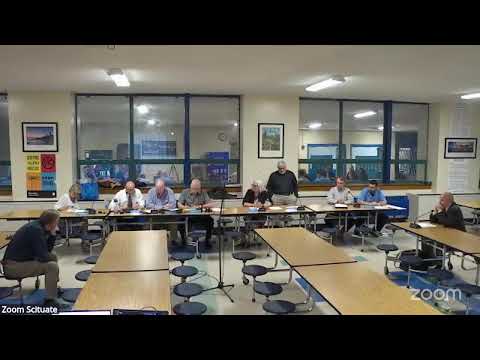
The Scituate Town Council, sitting as the town’s liquor licensing board, voted unanimously on June 30 to find that the Class A license issued to JTD Inc., doing business as General Country Store/Country Liquor Store, for 10 Hope Furnace Road had been abandoned and to revoke the license.
The council’s action followed a hearing ordered by the Rhode Island Department of Business Regulation (DBR) in case number 25LQ001, which remanded the question of abandonment back to the local board. The council heard testimony from attorneys representing the licensee and from counsel for a competing applicant, and then voted to revoke the license after discussion of the record.
Why it matters: Class A liquor licenses are subject to a statutory cap. State law (R.I. Gen. Laws § 3-5-16.1) directs local licensing authorities to cancel a license when a business “ceases to keep and sell alcoholic beverages” at the subject premises, although the authority may grant up to a year-long extension at its discretion. The council’s decision ends a multi-year dispute that the DBR ordered the board to resolve.
Most of the hearing focused on whether the retail business at 10 Hope Furnace Road had ceased operating. Town counsel and members of the public noted that the premises was destroyed by fire in April 2016 and had not been available for retail sales since that date. The council heard that the property remained unavailable through at least November 2024 and that the licensee subsequently sought a new Class A license for 8 Hope Furnace Road in early 2025. The DBR record and the remand instructed the board to determine whether the earlier license had been abandoned under the statute.
Attorney Timothy Kane, representing Chopmist Hill Liquors LLC, argued that the council and prior councils had accommodated the licensee for an unusually long period and urged the board to apply the abandonment standard. Kane told the board, “Abandonment requires an affirmative action. You can't abandon something by accident,” and urged the council to find that the license had been effectively not in use for years.
Counsel for the licensee disputed that the statutory standard for abandonment had been met and said the owner had maintained some inventory and had pursued rebuilding and licensing options. The licensee’s attorney asked the council to allow time for pending applications — including a transfer and a renewal filed with the town clerk — to be resolved and suggested granting a short period for the licensee to get a new premises open if the council acted on those pending filings.
The town solicitor clarified procedural points for the council, telling members that the transfer application to move the license from 10 Hope Furnace Road to 8 Hope Furnace Road was not part of the earlier DBR proceeding and that the DBR remand required the local board to decide the abandonment question for the 10 Hope Furnace premises. The solicitor also summarized the statutory language allowing the local authority discretion to grant an extension of up to one year.
After discussion, a council member moved to find that the license had been abandoned because the premises had not been made available for retail sale for several years; another council member seconded the motion. The council then took a roll-call vote and recorded unanimous approval to revoke the license.
Votes at a glance: The council recorded seven affirmative votes to revoke the license; no votes against, abstentions or recusals were recorded on the motion. The council then closed the public hearing and adjourned the meeting.
Procedural and next-step notes: The DBR matter (25LQ001) remains on the regulator’s docket; the remand required the local board’s factual finding on abandonment. The council’s action constitutes a local licensing decision based on the board’s finding that the licensee had ceased to keep and sell alcoholic beverages at the subject premises. The transcript reflects disagreement about factual details (including insurance, financing and when specific repairs or reconstructions occurred) and competing legal views about whether interruption caused by fire, a windstorm and litigation constitutes abandonment under the statute.
The council also discussed a separate matter raised by a member earlier in the meeting — support for state legislation to allow a third Class A license in town — but that matter was not decided during the hearing on the Izzi/JTD license.
For the record: the council conducted this action during a public hearing held after an executive session; the board announced that executive-session minutes would remain sealed pending resolution of that distinct personnel matter.