Get Full Government Meeting Transcripts, Videos, & Alerts Forever!
Get email alerts on the Military Department Budget Fca topic
No spam. Unsubscribe anytime.
Maryland Military Department seeks steady funding for Free State Challenge and flags vacancy issues
Summary
The Military Department told the subcommittee its FY26 allowance is essentially flat and emphasized investments in the Free State Challenge Academy, vacancy concerns and the 'Health Care for Heroes' enrollment. Analysts recommended deleting a handful of long‑term vacant positions and asked for reports on vacancies and FCA renovations.
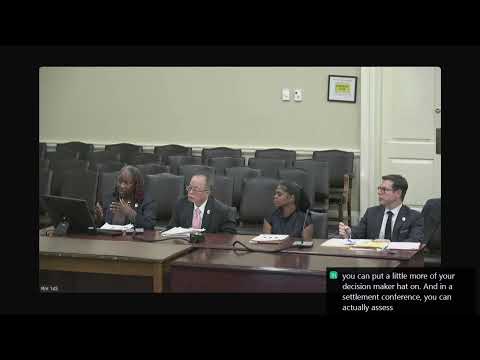
The Maryland Military Department presented a modestly increased fiscal 2026 allowance to the Public Safety and Administration Subcommittee and highlighted the Free State Challenge Academy (FCA), vacancies and a new health benefit for National Guard members.
Yashoda Arai, a Department of Legislative Services analyst, said the Military Department’s FY26 budget increases by about $1.8 million after two proposed FY25 deficiency adjustments and a total FY26 allowance of roughly $45.5 million. Arai said personnel expenses account for roughly 54% of the department’s budget and that DLS recommended deleting five long‑term vacant positions to reduce general fund and federal fund spending.
Arai told the panel that vacancy trends have risen and that, as of December 31, 2024, the department reported 29 vacancies with nine vacant more than a year; DLS asked the department to comment on operational impacts and its plan to improve staffing, including an internal hiring freeze that increased vacancies.
Dave Palucci, chief of staff for the Military Department, said the department has filled seven of nine longstanding vacancies and objected to deleting those posts. He highlighted the administration’s Health Care for Heroes program, which has “exceeded our expectations and has enrolled 75 percent of eligible service members,” and underscored the FCA as the only state‑run, tuition‑free 22‑week residential prevention program for juveniles in Maryland. Palucci said FCA accepts 300 cadets and typically graduates about 200 per year.
Arai’s analysis also noted facilities concerns for Army National Guard installations (a 9% drop in facility functional scores in FY24) and performance measures for FCA: FCA has not yet met its goal of 80% of graduates continuing schooling, entering employment or the military; GED pass rates dipped to 34% in FY24 and enrollment was 66 cadets in FY24. DLS requested updates on the FCA renovation project (phase 2), staffing and mentor levels, and recommended committee narrative requiring a report on vacancies and recruitment efforts.
The memo also summarized the TRICARE premium reimbursement program expansion provided under Chapter 745 (2024): the statutory $60 monthly cap was removed, monthly reimbursement was increased (DLS cited an average premium effective January 2025 of $83 per month for member‑only plans and $350 for family plans), and DLS asked for reporting on participation and claims.
Palucci said the FY26 allowance will support readiness and continued services and stressed the department’s desire to retain proposed positions. He characterized the FCA as a long‑standing prevention program with low turnover among staff reallocated during the pandemic and emphasized the department’s interstate domestic response missions and support for military families.
Ending: DLS recommended committee narrative for vacancy and FCA status reports; the department opposed deleting the long‑term vacant positions and committed to providing the requested information about staffing and program status.