Get Full Government Meeting Transcripts, Videos, & Alerts Forever!
Get email alerts on the Public Health Environmental Odor Complaints topic
No spam. Unsubscribe anytime.
Residents tell Cathedral City council cannabis facility odors make them sick, urge enforcement
Summary
Dozens of residents urged the Cathedral City City Council to enforce city codes and consider revoking permits after months of strong odors they attribute to a nearby cannabis manufacturing facility; speakers described health effects, property value declines and repeated failed mitigation efforts.
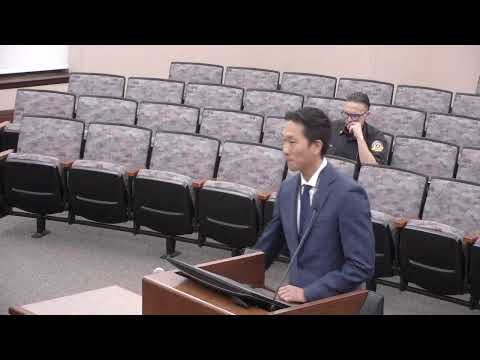
Dozens of residents told the Cathedral City City Council during public comment that persistent odors from the C4 USA cannabis manufacturing facility have sickened neighbors, driven down property values and forced some to seek medical care.
The concerns recurred across statements from residents of Outdoor Resorts and other nearby neighborhoods, who described daily and nightly odors, headaches, respiratory symptoms and worsened chronic conditions. ‘‘It’s been unbearable,’’ said Linda McDonald, a resident of Outdoor Resorts, adding that ‘‘approximately 2,000 complaints’’ have been filed and that property values have dropped ‘‘15 to 20%’’.
Why it matters: Speakers said the facility’s odors are a persistent public-health and quality-of-life problem because the site sits near housing and Cathedral City High School. Speakers pressed the council to enforce local rules, rescind or suspend permits and require the facility to stop operations until it can demonstrate odor control.
Several speakers gave specific technical and document-based complaints. Scott McDonald said the city recently provided safety data sheets for 38 substances reportedly used at C4 USA and questioned the qualifications and methods used in a chromatographic report produced for the company on Jan. 6, 2025. He said the report lacked equipment and methodology details and raised concern that hazardous components had been omitted from some sheets.
Other commentators described impacts on daily life. Michael Hayes said he has required counseling sessions and described harassment by neighbors; Rick Hollinshead, a seasonal resident, told the council the odor is strong enough to reach the nearby high school. Janet Ream and others said promised filtration systems have not stopped the smells. Several speakers urged the council to ‘‘make them stop’’ rather than accept partial mitigation measures.
Council members and staff did not take immediate regulatory action during the meeting. Danny Lee, a community commenter, asked the council to ensure that information from a police town hall on safety for LGBTQ residents is shared more widely and said the city manager would route town-hall items to appropriate staff. Some speakers requested clearer, ongoing public communication about tests, mitigation results and next steps.
What speakers asked for: Shutting down the facility until it meets standards, pulling or reviewing any conditional use permit, better public disclosure of testing methodology and results, and more frequent and accessible community updates. Richard Seiler cited the municipal code and argued the city should enforce an emissions standard he described as ‘‘0.0’’ and consider revoking the facility’s permit if it cannot comply.
City responses and next steps mentioned on the record were limited to staff follow-up. At least one resident asked the council for a public communication plan explaining how Measure W revenues and related commitments would be used to benefit parks and services; that request arose in a separate agenda item but was echoed here as part of broader calls for clearer public information.
Ending: Multiple speakers closed by asking the council to move beyond interim measures. No enforcement action or vote regarding the facility occurred at the meeting; the council heard public comment and later continued with the regular agenda.