Get Full Government Meeting Transcripts, Videos, & Alerts Forever!
Get email alerts on the Healthcare Costs topic
No spam. Unsubscribe anytime.
Hospital pricing transparency bill fails in Senate after heated debate over burden on small hospitals
Summary
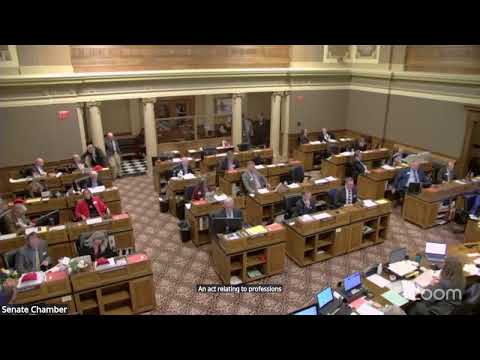
House Bill 121, requiring increased hospital pricing transparency, failed on third reading in the Wyoming Senate following extended debate about administrative burden on small hospitals and penalty provisions. The final roll call was 14 ayes, 16 noes.
The Wyoming Senate voted down House Bill 121 on March 4, 2025, after floor debate about the bill’s administrative requirements for hospitals and civil penalties for noncompliance. The third‑reading roll call ended with 14 ayes and 16 noes; the bill did not pass.
What the bill would have done: HB121 would have required hospitals to disclose pricing information and to meet certain transparency standards that proponents said mirror federal disclosure efforts. Debate on the Senate floor discussed the bill’s overlap with federal rules and whether state action would impose new burdens on small and rural hospitals.
Arguments for and against: Senator Anderson, speaking against the bill, said the measure “requires a lot of paperwork, blue red tape for our hospitals in Wyoming,” and warned that fines could strain smaller hospitals. Supporters said national policy has moved toward requiring price disclosure and that state action would provide local enforcement and clarity. Senator Scott (floor) noted the federal rules and argued state implementation would give a local point of contact for questions and enforcement.
Penalty and compliance discussion: Senators reported that the Senate committee removed the most onerous penalties that came from the House. Senator Scott noted the civil penalty in the amended bill was $500 per day for noncompliance; supporters said the committee softened sanctions to make the bill workable. Opponents maintained any added administrative duties could be costly for smaller rural hospitals and could unintentionally harm local access.
Outcome and next steps: The bill failed to secure a majority in the Senate on third reading (14 ayes, 16 noes). Supporters and opponents signaled an interest in continued work on pricing transparency in other venues, but for now the Senate’s rejection leaves federal requirements and voluntary hospital disclosures as the prevailing regime.