Get Full Government Meeting Transcripts, Videos, & Alerts Forever!
Get email alerts on the Surplus Land Act topic
No spam. Unsubscribe anytime.
Glendale council declares 26 city parcels surplus or exempt under Surplus Land Act to preserve local control
Summary
Council approved two resolutions declaring 10 small parking parcels exempt and 16 additional city-owned parcels surplus under the Surplus Land Act, a move staff said is intended to lock in current state rules and preserve local negotiating authority if properties are considered for future development.
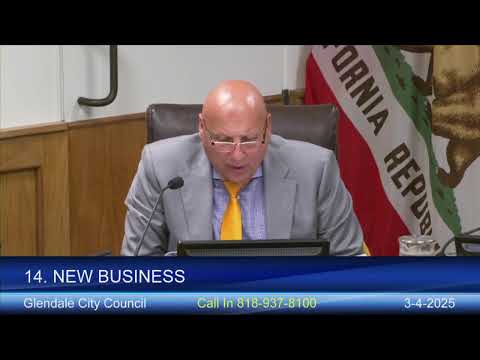
The Glendale City Council approved two resolutions declaring 10 city-owned parking lots exempt from the state surplus land notice process and designating 16 additional parcels as surplus land under California’s Surplus Land Act, council and staff said.
City staff emphasized the vote does not approve development of any property; rather, it memorializes the current regulatory framework so the city retains local control if it later decides to pursue changes to parcel use. Community Development staff member presenting the item said the aim is to "retain local control over our city parking lots" and to “lock in those regulations now” because state rules on housing and parking can change over time.
Under the designations approved at the meeting, staff said 10 lots are under half an acre and qualify now for an ‘‘exempt surplus’’ process; 16 larger parcels were declared surplus (not exempt) in order to preserve the city’s ability to seek exemptions in the future if a project meets state-defined thresholds. Staff described the state rules that could apply to larger parcels: a minimum of 300 units and 25% affordability for certain large sites, language the city sought to “lock in” rather than risk a future rule change that would raise those thresholds.
Public comment included concerns about loss of open space and calls to prioritize parks rather than housing on some parcels. Several residents urged the council to preserve green space and asked that any surplus designation not be used to reduce the city’s parkland. A few commenters tied past affordable housing projects and litigation to the broader surplus-land debate and urged transparency.
Council discussed the practical implications: declaring surplus or exempt status does not by itself change zoning, does not authorize development, and still requires council direction for any disposition, staff said. The council also clarified one clerical correction: staff noted an APN on Resolution 882 needed a corrected number (564141003900) and asked the mover to incorporate that change.
The council approved the two resolutions by roll call. Staff said declaring surplus/exempt status will be submitted to the state for review; the state may accept or deny an exemption for particular parcels. If council later directs staff to pursue development or rezone a site, additional public hearings and environmental review would be required.
Staff also told council that if the city does not act, state rules could change in the future and reduce the city’s negotiating flexibility; the declarations were presented as a pre-emptive step to preserve options.
No immediate development, zoning change, or sale will follow from the council’s vote; any future proposal would require separate council approval, public notice and applicable environmental review.