Get Full Government Meeting Transcripts, Videos, & Alerts Forever!
Get email alerts on the Hazard Mitigation topic
No spam. Unsubscribe anytime.
Board adopts updated pre-disaster mitigation plan to preserve FEMA grant eligibility
Summary
The Granite School Board approved a five-year update to its hazard mitigation plan, a prerequisite for FEMA and BRIC/ Hazard Mitigation Grant Program funding; district officials said the document supports seismic upgrades and other mitigation projects.
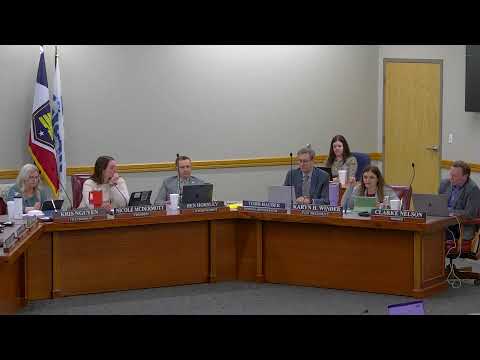
The board approved the district’s updated pre-disaster hazard mitigation plan on March 4, a necessary step to remain eligible for federal mitigation grants, district staff said.
Roger Brooks, the district’s emergency manager, told the board the plan documents hazard assessments and prioritizes mitigation actions — including seismic upgrades and emergency-communications improvements — across district facilities. Brooks said the plan is required by the federal Disaster Mitigation Act and must be updated every five years.
"Had we not had this type of plan in place prior to our earthquake, we would not have received the near $20,000,000 that FEMA put towards the reconstruction of Westlake," a district official said during the presentation, describing the value of having an up-to-date mitigation plan when applying for federal assistance.
Brooks said the district is seeking BRIC funding this cycle to pay for seismic upgrades at two schools (the application would bring roughly $13 million in FEMA funds, he said, if approved). He told the board that without quick adoption, in-progress grant applications risked jeopardy.
Board members voted to approve the plan so staff can finalize state and federal review and continue grant applications. Administrators said the document will also be used to identify vulnerable facilities and prioritize retrofits, reduce long-term recovery costs and coordinate with Salt Lake County emergency management and first responders.