Get Full Government Meeting Transcripts, Videos, & Alerts Forever!
Get email alerts on the Homelessness topic
No spam. Unsubscribe anytime.
City and county report expanded outreach and shelter capacity but residents at Roseville Road shelter report power, mold problems
Summary
Sacramento city and county officials presented a six‑month update on a joint homelessness partnership showing expanded outreach teams, thousands of service contacts and new shelter capacity, while residents at the Roseville Road shelter and other public speakers described ongoing problems with electricity, mold and living conditions.
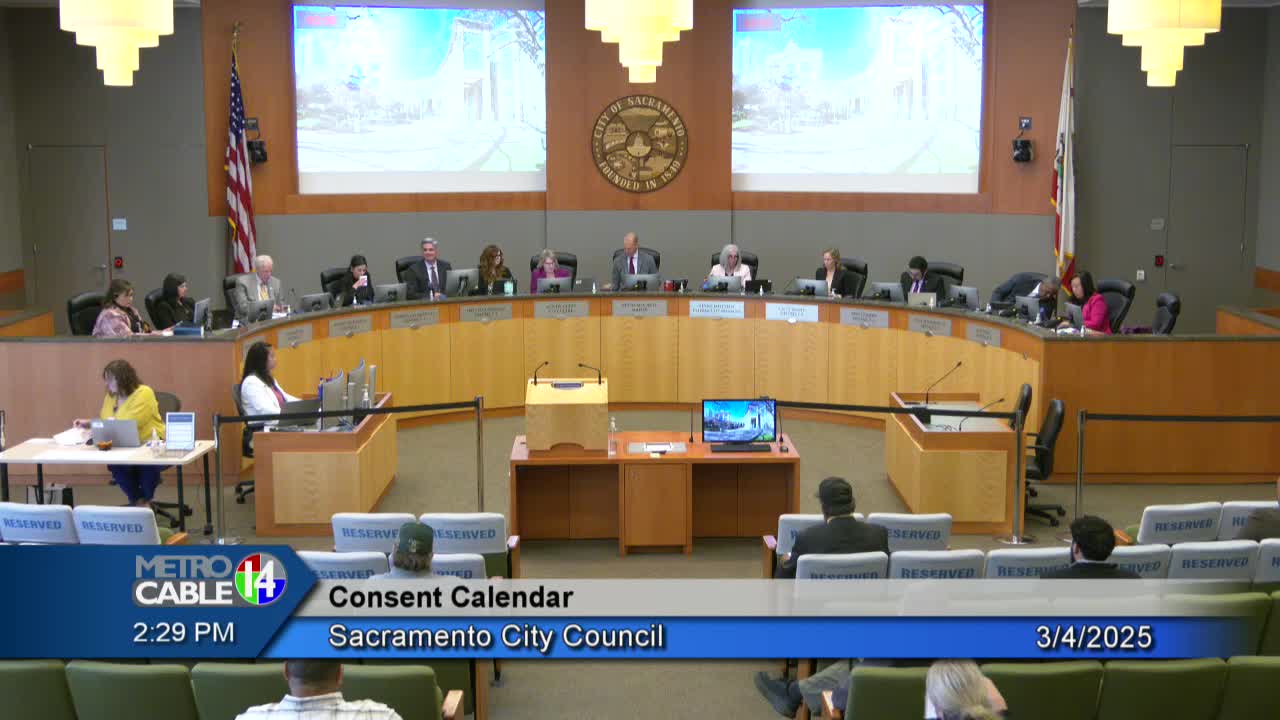
City and county officials on March 4 told the Sacramento City Council they have substantially expanded outreach, service and shelter activity under a five‑year City–County Partnership Agreement to Address the Homeless Crisis but acknowledged ongoing gaps in housing capacity and service delivery.
The report, covering July 1–Dec. 30, 2024, showed outreach teams visited 3,879 unique locations and served 2,348 unduplicated individuals, producing roughly 40,000 total service contacts, city staff said. The city has deployed more encampment workers than required under the agreement and the county has added behavioral health staff and care coordination resources, presenters said.
The update matters because it tracks the joint effort’s progress against agreed benchmarks — outreach, services, shelter/housing and training — at a time when state law and funding changes (including Prop 36/Care Court, Prop 1, and other programs) are increasing demand for behavioral health and substance use treatment services across the region.
City staff overseeing the partnership described a mix of progress and continuing constraints. “We have 10 encampment teams out in the city every day. We actually have 40 encampment workers in the field right now,” city staff (identified in the meeting by surname Pedro) told council. He reported the partnership logged 40,000 contacts and 2,348 unduplicated individuals during the six‑month reporting period and said the city and county continue to apply widely for state and federal grants to expand capacity.
County Director of Health Services Tim Lutz described work to build out capacity for behavioral‑health and sober‑living referrals and said county providers are adding substance‑use treatment beds in Stockton. “We actually, through the behavioral health bridge housing program, one of the areas that we did augment was sobering,” Lutz said, adding that the county is coordinating triage and alternate‑destination protocols so people are brought to sobering centers or mental‑health treatment sites rather than to jail or hospital emergency departments.
Council members pressed for details on outcomes and capacity. Councilmember Kaplan asked for next steps to increase accountability and improve exits to permanent housing; Councilmember Maple asked for a briefing on electricity and living conditions at the Roseville Road shelter. Council members also asked the county about Care Court implementation; county staff said 21 petitions had been filed in the program since December and described the court‑referral and investigation timeline.
Residents and service‑site tenants spoke during public comment with specific complaints about the Roseville Road shelter, which several people said lacks electricity in many trailers, has mold and inadequate laundry and hygiene facilities, and has inconsistent staff responsiveness. “We still don’t have power at the trailers, and people are getting really sick, and there’s mold there,” a resident said at the podium. Another resident said staff trailers have power while residents’ trailers do not, and asked for an on‑site meeting with county staff to document issues.
City staff acknowledged the problem and described the operating choices that led to the current conditions: the city moved people into pallet homes and FEMA trailers to get them off the street while electrical infrastructure (transformers, switchgear and conduit) was procured and installed. Staff said many of the trailers are near the end of their useful life; rather than invest heavily to retrofit aging units the city has a contract to buy 35 tiny homes and expects additional small homes as part of an Encampment Resolution Fund purchase. “It is cost‑prohibitive to upgrade these trailers,” city staff said. The plan is to replace trailers with tiny homes that are designed to be connected to power and climate systems.
Officials also reiterated progress on shelter and housing development: the county met an initial 200‑bed metric, a Stockton Boulevard site opened with 75 beds and a Watt Avenue site had broken ground (slated for completion in 02/25 in staff presentation). City and county staff said they are placing immediate placements at two city facilities and placing others through the coordinated access system.
On sobering centers and alternatives to arrest, county and city staff described pilot efforts by paramedics, outreach teams and mobile units to transport people to sobering centers and behavioral health triage centers rather than emergency departments or jail. But council members and residents asked for clearer metrics on what happens to people after they use sobering services and how frequently those visits convert to longer‑term treatment placements.
Council members asked staff to return with more refined metrics on case‑management intensity (how many contacts it takes to engage a person into housing), shelter utilization and sobering center outcomes, and Mayor McCarty said he will agendize a comprehensive homelessness briefing in the coming weeks that will include Sacramento Steps Forward and discussion of governance options with the county and SHRA.
Ending: The council received the six‑month report and discussed next steps; staff said they will return with more detailed outcome data, metrics on sobering center effectiveness, and options for regional governance and funding coordination. Separately, residents at Roseville Road asked for an on‑site meeting with staff to document electricity and mold issues; city staff said they would follow up and continue the transition from trailers to tiny homes.