Get Full Government Meeting Transcripts, Videos, & Alerts Forever!
Get email alerts on the Infrastructure Permits topic
No spam. Unsubscribe anytime.
Spokane Valley proposes higher right‑of‑way permit fees to hire extra inspector after fiber buildout strains capacity
Summary
Public works staff told the council the city has one full‑time right‑of‑way inspector who handled more than 1,000 permits in 2024; staff metered new permits late last year. Proposed fee increases could generate roughly $144,000 and fund an additional inspector and help clear a backlog of roughly 40 permits.
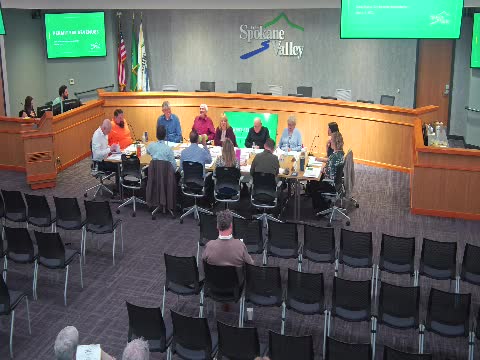
City staff told the Spokane Valley City Council on Oct. 23 that growth in utility and fiber‑optic construction has overwhelmed the single permanent right‑of‑way inspector and forced the city to hold about 40 permits while inspection capacity is restored.
Why it matters: work in the public right‑of‑way — trenching, utility cuts and pavement patches — affects long‑term street condition. Staff said the city has had to hire outside consultants to provide inspection support and that failing to inspect work would risk pavement quality and create higher maintenance costs later.
Public works staff described the situation: the permanent right‑of‑way inspector handled more than 1,000 permits in 2024; the city contracted a consultant and increased that contract to about $135,000 to supplement inspections for seven months last year and still reached a point late in 2024 where permit issuance was metered, staff said. At the Oct. 23 meeting staff said roughly 40 permits remained on hold pending inspection capacity.
To address the workload, staff proposed increasing right‑of‑way permit fees to match regional averages; staff estimated a fee update would generate roughly $144,000 on 2024 permit volumes — enough to fund an additional in‑house inspector. Council members emphasized cross‑training and the impending retirement of the current inspector as reasons to add capacity now.
Staff also presented other fee ideas linked to permitting: modest increases in grading and development review fees, a $10 technology/permit‑processing surcharge (estimated to produce about $43,000 annually) to help pay for the city’s online permit portal, and possible changes to business‑license fees (the city currently charges $25; staff showed scenarios at $50–$100 with corresponding revenue estimates).
Council reactions: council members said they value fast, predictable permitting as an economic‑development tool but expressed support for recovering a larger share of inspection costs from the users who cause the workload, particularly for large, for‑profit utility builds.
Next steps: staff will bring back specific fee ordinance language and a budget amendment option to cover a new inspector and transition from temporary consultant support to a permanent second inspector.