Get Full Government Meeting Transcripts, Videos, & Alerts Forever!
Get email alerts on the Rights Of Way Moratorium topic
No spam. Unsubscribe anytime.
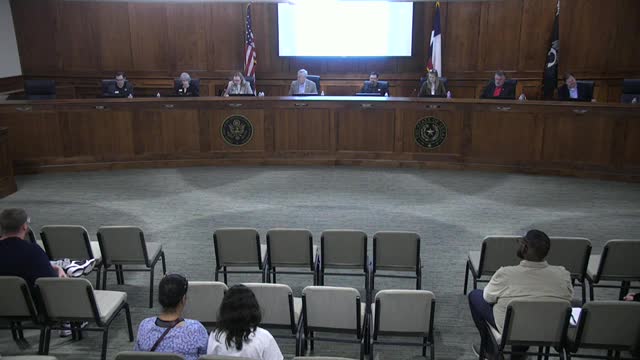
Katy council enacts 120-day moratorium on in‑ground telecom fiber permits
Summary
On March 4, 2025 the Katy City Council adopted a temporary 120-day moratorium on accepting and processing right-of-way permits for new in‑ground telecommunication/fiber installations, citing repeated utility line hits and a surge in permit requests; the ordinance includes narrow waiver paths and exemptions for projects with valid permits.
KATY, Texas — The Katy City Council on March 4, 2025 adopted an ordinance placing a temporary 120-day moratorium on the city’s acceptance, review and issuance of right-of-way permits for new in‑ground telecommunication and fiber installations, citing repeated damage to underground water and wastewater infrastructure.
Council members said the pause is intended to give staff time to draft and present an amended rights-of-way management ordinance that would address permitting, licensing and protections for in‑ground utilities. The ordinance passed on a motion by Mayor Pro Tem Chris Harris, seconded by Council Member Roy Robertson; Council voted in favor with no recorded opposition.
Council cited a series of incidents and a surge in permit activity as the basis for the moratorium. The ordinance text states that, since October 2024, there have been at least 16 water-line hits — including hits to main water lines requiring immediate city repairs — and that the city received approximately 35 permit requests for new in‑ground telecommunication or fiber installations since Jan. 1, 2025. Council added that its current rights-of-way management rules and staffing levels do not adequately address the volume and risks the city is facing.
During public comment before the ordinance reading, resident Michael Payne of 5823 Green Meadows Lane urged the council to halt work by existing contractors until a full investigation is completed. “What the heck is our local city government doing here?” Payne said, criticizing earlier city actions and press statements and asking the council to bar companies with existing contracts from performing additional work until investigations conclude.
The ordinance includes several exemptions and waiver procedures. It does not apply to projects already actively in progress with valid, unexpired city approvals, or to projects grandfathered under Texas Local Government Code Chapter 245. A person or entity may seek a waiver if it enters into a written agreement with the city in a form substantially similar to Exhibit B, if a prior legal right to proceed exists (such as an executed contract), or if the proposed work is necessary to protect public health or safety. Requests for waiver must be submitted at least 10 days before the council meeting at which the waiver will be considered; the public works director or designee will make initial determinations on project status during the moratorium, and the council has final authority on waiver decisions.
The ordinance sets an initial duration of 120 days from enactment and directs staff to finalize an amended rights-of-way management ordinance on or before the first regular city council meeting in April 2025, at which point the moratorium will automatically expire if the amended ordinance is approved. The council may extend the moratorium by majority vote if more time is needed to complete studies or implement required upgrades. The ordinance further states that violations may result in injunctive relief, criminal prosecution, and a declaration of nuisance.
Council members read statutory citations into the ordinance record, including Texas Local Government Code section 51.072 and references in the ordinance to Texas Local Government Code Chapter 212 (subchapter E) as the basis for moratorium authority; the adoption record also notes compliance with the Texas Open Meetings Act, Texas Government Code Chapter 551. The ordinance was approved on first reading on Feb. 24, 2025 and passed final reading on March 4, 2025.
Next steps identified in the ordinance and during the meeting include the public works director finalizing determinations on pending projects during the moratorium, staff preparing an amended rights-of-way ordinance for council consideration by the first regular meeting in April 2025, and the council retaining authority to hear waiver appeals and to extend the moratorium if necessary.