Get Full Government Meeting Transcripts, Videos, & Alerts Forever!
Get email alerts on the Active Transportation topic
No spam. Unsubscribe anytime.
Council adopts 2025 Active Transportation Plan to guide walking, biking and trail grants
Summary
After public comment and Parks & Recreation Commission endorsement, the council unanimously adopted a new 2025 Active Transportation Plan to update the city’s 2016 pedestrian and bicycle plan and to qualify Hanford for active‑transportation funding and grant opportunities.
The council unanimously adopted the city’s 2025 Active Transportation Plan, a policy framework intended to update the outdated 2016 pedestrian and bicycle plan, identify priority projects, improve safety and make the city eligible for state and federal active‑transportation grants.
Staff and the consultant team described the plan’s goals: increase access and connectivity, expand multimodal options and improve safety and comfort for pedestrians and bicyclists. The plan proposes a mix of facilities, including Class I trails, Class II bike lanes and Class III shared routes, and identifies short‑ and long‑term priority corridors and crossings. Staff emphasized the plan itself does not commit the city to specific projects or funding; rather, adoption creates an official city framework that must be followed to pursue many active‑transportation grants.
Public commenters and some council members raised safety concerns about proposed trails near ditches and canals, the potential for encampments and the need for access by emergency vehicles. Staff said the plan anticipates safety, lighting, access and maintenance considerations and would be implemented incrementally — beginning with projects that are feasible and grant‑eligible. Staff also noted the plan was endorsed unanimously by the Parks and Recreation Commission after an outreach process that included a 30‑day public comment period.
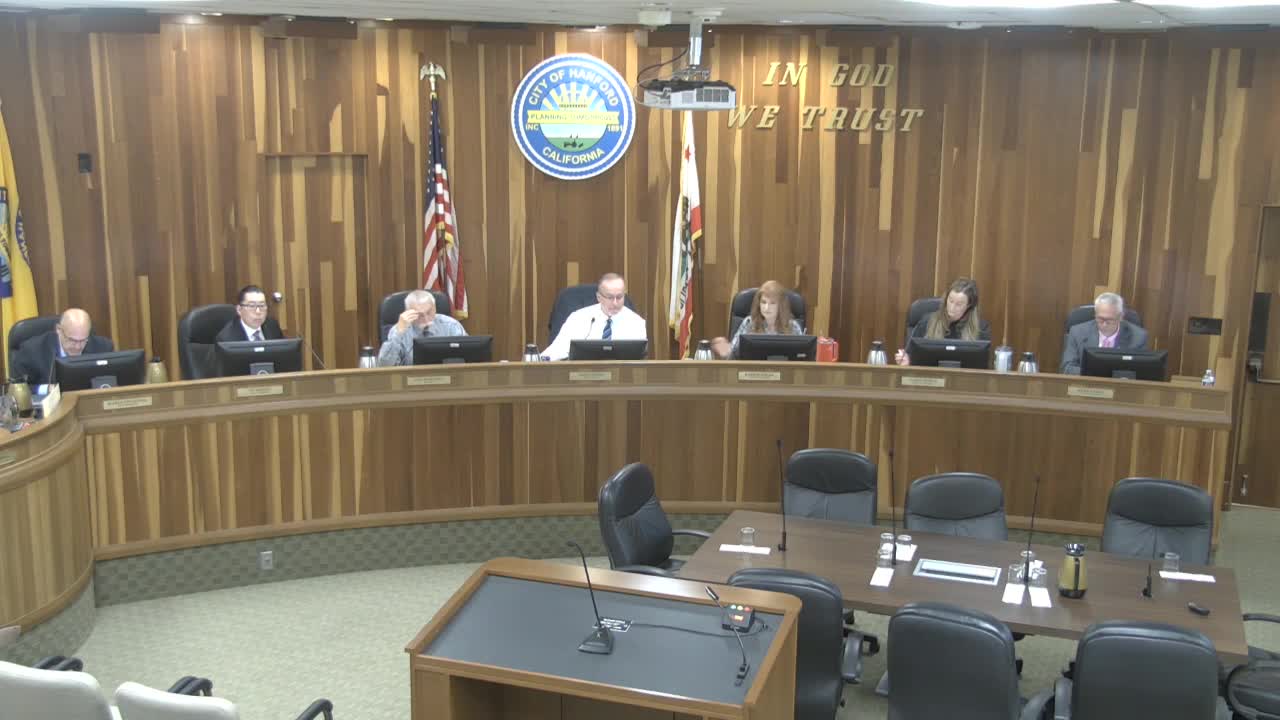
Councilors supported the plan as a long‑range, grant‑eligible roadmap and instructed staff to pursue funding and begin the coordination and technical work needed to turn prioritized corridors into projects. The motion to adopt the plan passed 5‑0.
Provenance: The active transportation plan was introduced in general business; staff presented the plan and the council voted to adopt it at the meeting’s conclusion.