Get Full Government Meeting Transcripts, Videos, & Alerts Forever!
Get email alerts on the Reasonable Accommodation Support Animal topic
No spam. Unsubscribe anytime.
Council upholds approval allowing one emotional-support chicken on South Fourth Street
Summary
The Redlands City Council denied an appeal and upheld the development services director’s approval for a single indoor emotional-support chicken, citing federal Fair Housing obligations and imposing conditions of approval.
The Redlands City Council on March 4 denied an appeal of a development-services director decision and reaffirmed approval of Reasonable Accommodation No. 19, which permits one emotional-support chicken at an accessory dwelling unit at 521 South Fourth Street.
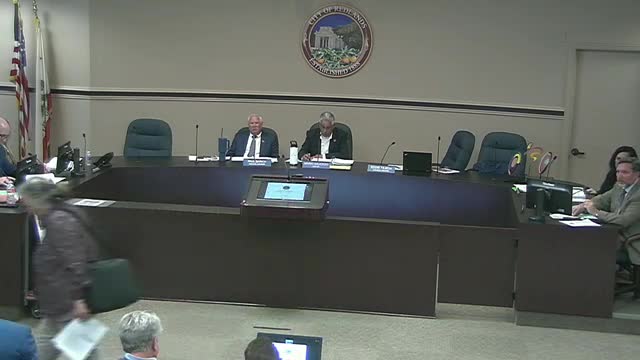
The council voted to "deny the appeal and uphold the decision of the development services director," adopting Resolution No. 8660. Council member Denise Davis moved to adopt the resolution; the motion passed in a roll call vote recorded as yes by Council members Tejeda, Barich, Davis and Mayor Saucedo.
Background and staff findings Development services staff said the request was reviewed under the Fair Housing Act and the Redlands Municipal Code (Title 18) procedures for reasonable accommodations in housing. Staff said the application included a letter from a licensed health-care professional that established a nexus between the applicant’s documented disability and the need for one support animal; notices were mailed to property owners within 300 feet and all required procedures and findings in the municipal code were met. Staff added conditions addressing placement and sanitation for the animal on the subject property.
Appellant and applicant statements Appellant Tara Bird told the council she opposed chickens on health and sanitation grounds and said enforcement records showed the homeowner had previously been cited by code enforcement. "This is a health concern," Bird said, stating her objections about alleged rodent activity and the chicken’s living conditions.
Applicant Zian (Zianne) Thompson told the council she followed the city's reasonable accommodation process after learning that chickens might not be permitted, said she keeps a single indoor chicken, and described the animal as quiet and kept primarily indoors. A neighbor, Luke Farnsworth, spoke in support of the applicant, saying he had not observed odor, noise, or other impacts from the chicken and called the applicant "courteous." Several written comments submitted in advance also recommended denying the appeal and upholding the accommodation.
Council discussion and decision Council members asked questions about the accommodation’s conditions, including what "primarily kept indoors" means in practice. At least one council member suggested tightening the conditions to specify times or other clearer standards, but the motion that passed left the director’s approval and conditions intact. The council record shows the item remained governed by the city’s reasonable accommodation process and applicable federal law.
Why it matters: Because federal and state housing law limits local discretion over reasonable accommodations for people with disabilities, council action to deny the appeal preserved the applicant’s accommodation and kept the staff-imposed conditions in place.
Details - Action: Council adopted Resolution No. 8660 denying the appeal and affirming Reasonable Accommodation No. 19. - Vote: Recorded yes votes from Council members Tejeda, Barich, Davis and Mayor Saucedo; motion moved by Council member Denise Davis; second recorded as "Second" (not specified in the minutes). - Legal framework: Staff cited the Fair Housing Act and municipal code Title 18 procedures for reasonable accommodations.
Next steps: The approval remains subject to the conditions of the director’s approval; neighbors or staff may monitor compliance and enforcement if standards are not met.