Get Full Government Meeting Transcripts, Videos, & Alerts Forever!
Get email alerts on the Tenant Rights topic
No spam. Unsubscribe anytime.
Landlord groups oppose SB 1340 change letting tenants challenge rent after lease signing; legal experts stress statutory history
Summary
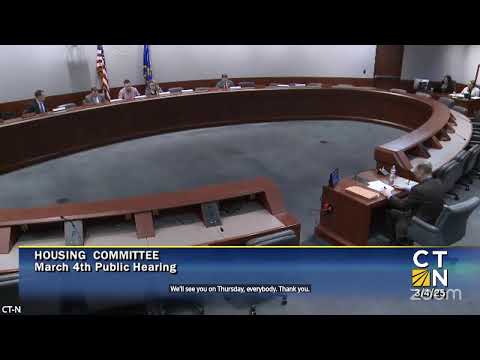
Landlord groups and legal experts told the Housing Committee they oppose SB 1340 — which would allow tenants to file fair‑rent complaints within 30 days after signing a new lease — saying it risks retroactive challenges to binding lease terms and invites delay tactics.
Several landlord groups, legal advocates and public‑interest attorneys testified against SB 13 40, a bill that would permit tenants to file complaints with Fair Rent Commissions within 30 days after signing a new lease.
Rachel Podolsky of Connecticut Legal Services told the committee she generally opposed constraining the Fair Rent Commission process by a strict 30‑day rule because tenants sometimes learn of defects or changes after moving in, and commissions handle cases where tenancy services decline after a lease is signed. Podolsky said the bill could bar legitimate complaints that arise after move‑in and could interfere with how commissions operate.
Landlord and property owner groups such as the Connecticut Coalition of Property Owners (John Souza), the Connecticut Apartment Association and the Connecticut Association of Realtors opposed the bill as an imposition on private lease agreements. John Souza, president of a landlord association and a long‑time small landlord, said the proposal would be "a very large government overreach" and would encourage filings aimed at delaying rent increases.
Attorney Robert Chesson, representing landlord interests, argued the Fair Rent Commission statutes predate modern lease contracting and give commissions authority to examine rental charges and proposed rent increases; he said the new bill would curtail longstanding commission jurisdiction and create uncertainty about binding lease terms.
Daryl Fennell, also testifying for landlord interests, emphasized leases are estates in land governed by a long history of statutory intervention and warned the bill would undermine contract stability.
Committee members probed both sides about whether the Fair Rent Commission process already offers adequate remedies and how the bill would interact with notice periods for renewal and rent increases. Lawmakers asked staff to consider revisions to commission procedures and to weigh tenant protections against contract stability and investment incentives.
No committee action was taken at the hearing.